Simplified Maintenance and Diagnostics: The Digital Approach to Brake Care
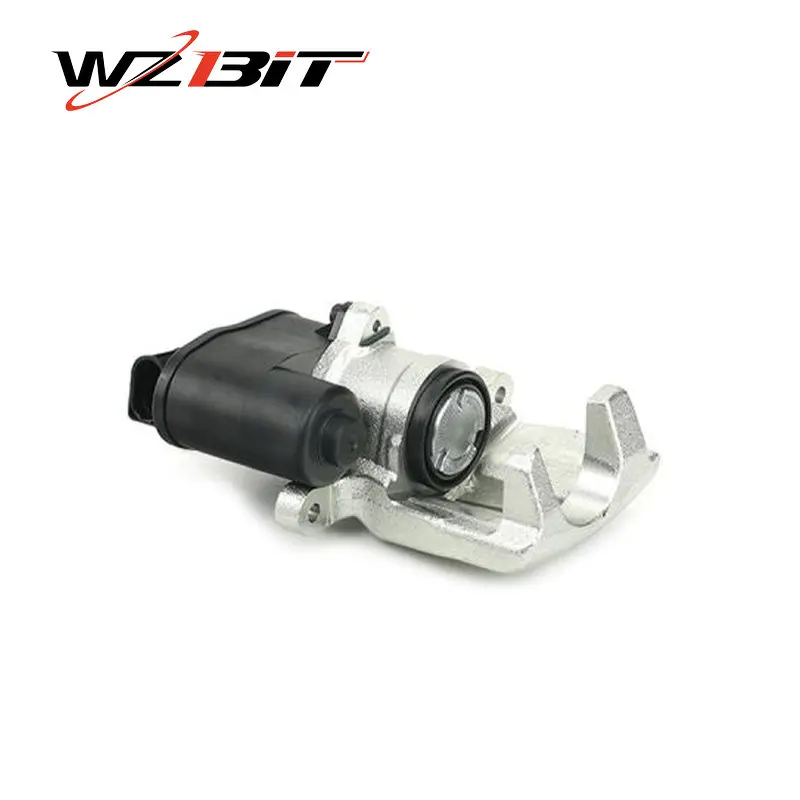
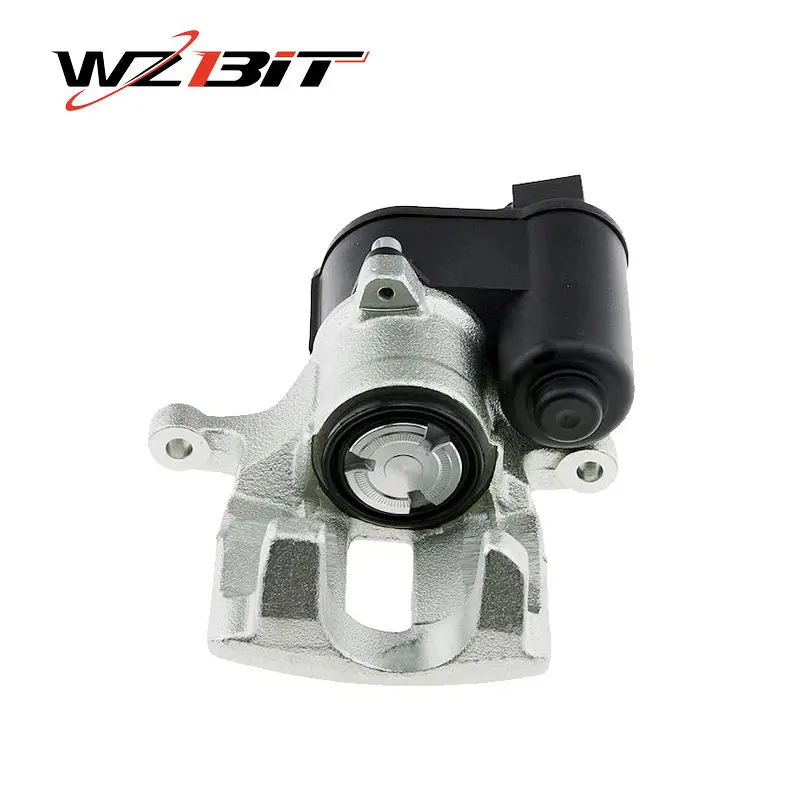
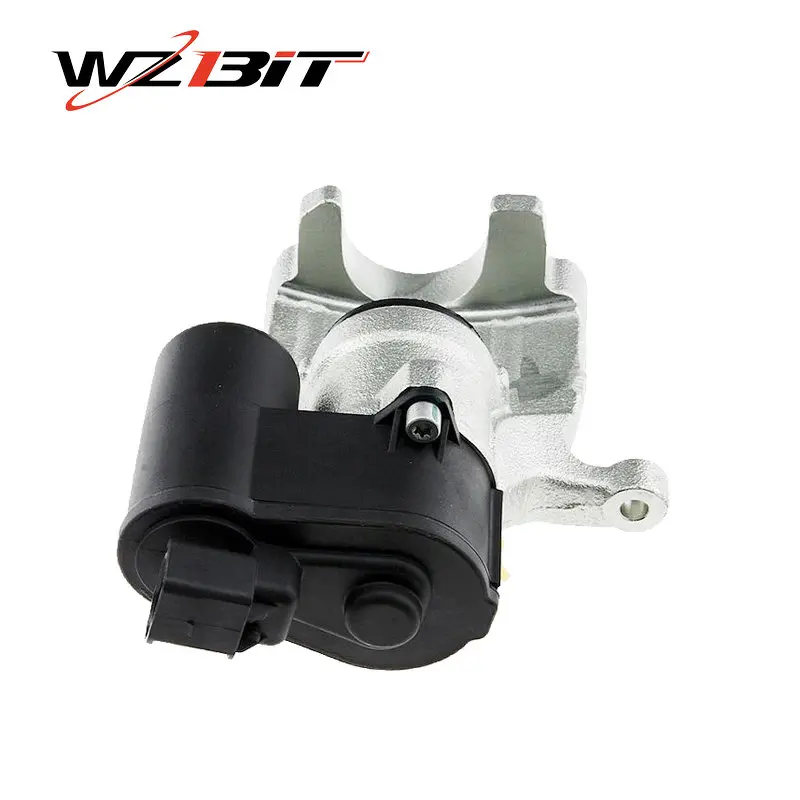
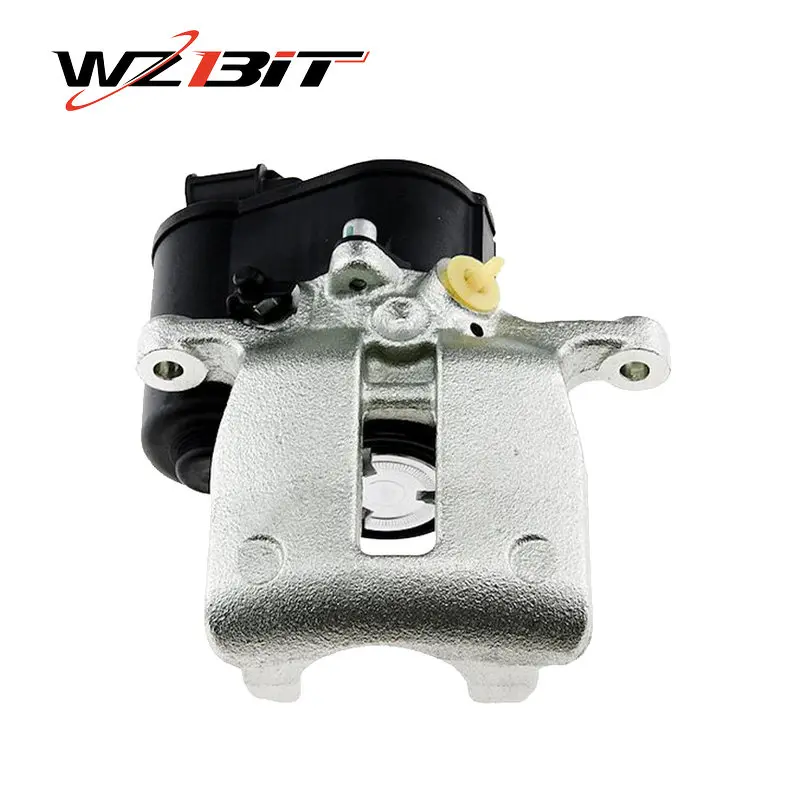
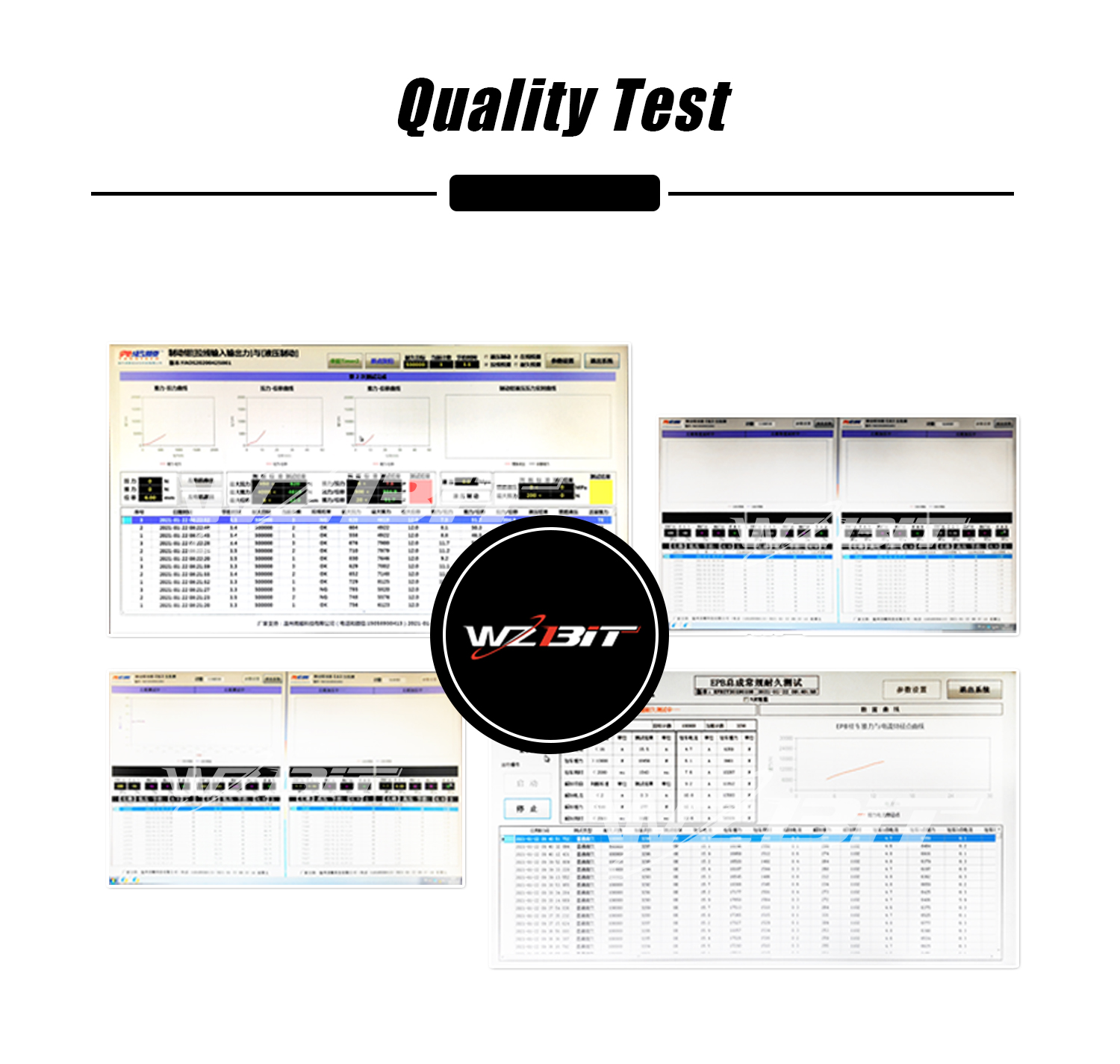
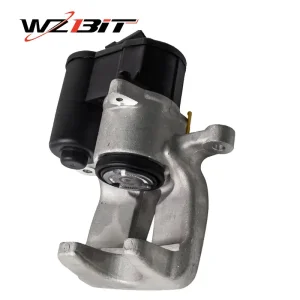
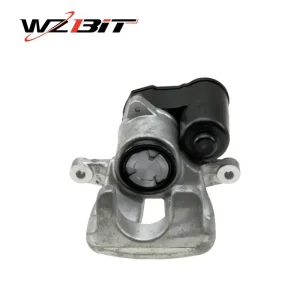
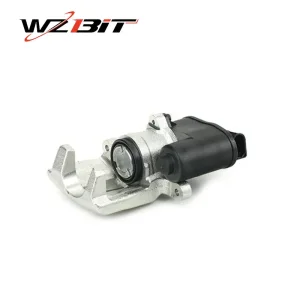
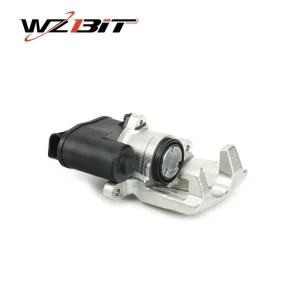
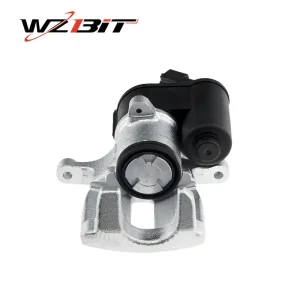
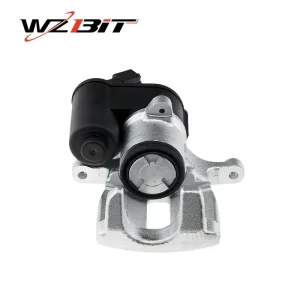
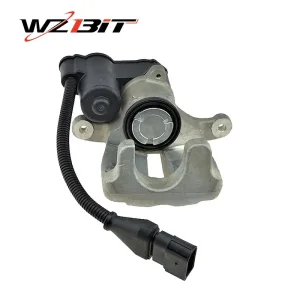
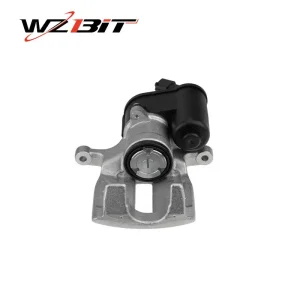
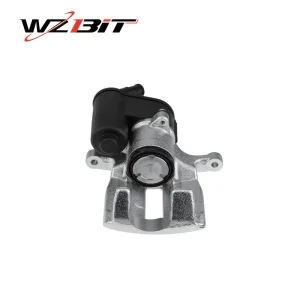
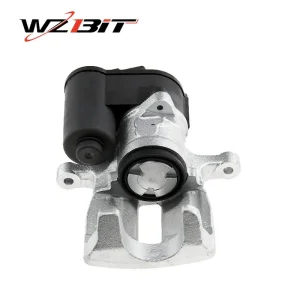
The shift to electronic calipers introduces a new paradigm for vehicle maintenance and diagnostics. Because the calipers are controlled electronically, they can be integrated into the vehicle's diagnostic bus. This allows technicians to easily read fault codes, perform functional tests, and even retract the caliper pistons electronically using specialized diagnostic tools, a process often required for brake pad replacement on these systems. This digital approach eliminates the need for manual bleeding procedures for parking brake systems and offers a clearer, more precise way to troubleshoot brake-related issues.
A sensor within the electronic caliper can detect and report issues like low pad wear or motor malfunctions directly to the vehicle's computer, often displaying a warning on the dashboard. This predictive and precise diagnostic capability not only simplifies the technician's job but also leads to more accurate repairs, reduced labor times, and ultimately, a more reliable vehicle for the owner.
Noise, Vibration, and Harshness (NVH) Reduction: A Quieter, Smoother Stop
Electronic calipers contribute significantly to reducing Noise, Vibration, and Harshness (NVH) within the vehicle's braking system. Traditional hydraulic systems can sometimes transmit pulsations or vibrations back to the pedal or chassis, and mechanical parking brakes can be noisy when engaged or disengaged. Electronic calipers, with their precise motor control and absence of cables, inherently reduce these issues. The smooth, controlled movement of the electric motor applying pressure to the pads minimizes jerky movements and associated noises.
Frequently Asked Questions
How do electronic calipers simplify brake maintenance?
Electronic calipers allow technicians to read fault codes and retract pistons using diagnostic tools, eliminating manual bleeding for parking brakes.
Can electronic calipers detect brake pad wear?
Yes, sensors within the electronic caliper can detect and report low pad wear or motor malfunctions directly to the vehicle's dashboard.
Do these calipers reduce vehicle noise?
Yes, the precise motor control reduces Noise, Vibration, and Harshness (NVH), offering a quieter and smoother stopping experience.
Are special tools required for pad replacement?
Specialized diagnostic tools are typically used to electronically retract the pistons, making the process more precise than traditional methods.
What vehicle brands are these calipers compatible with?
These parts are designed for a range of Ford (Galaxy, S-MAX) and Volvo (S80, V70, XC70, XC60, S60, V60) models.
Why is the digital approach better for diagnostics?
It provides clearer, more accurate troubleshooting, leading to reduced labor times and a more reliable braking system.
 BIT Automobile