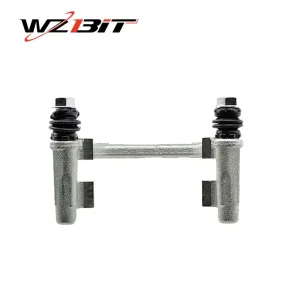
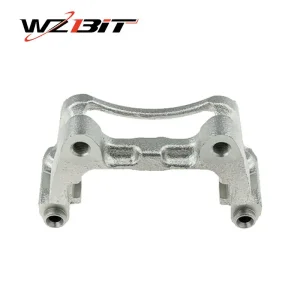
 BIT Automobile
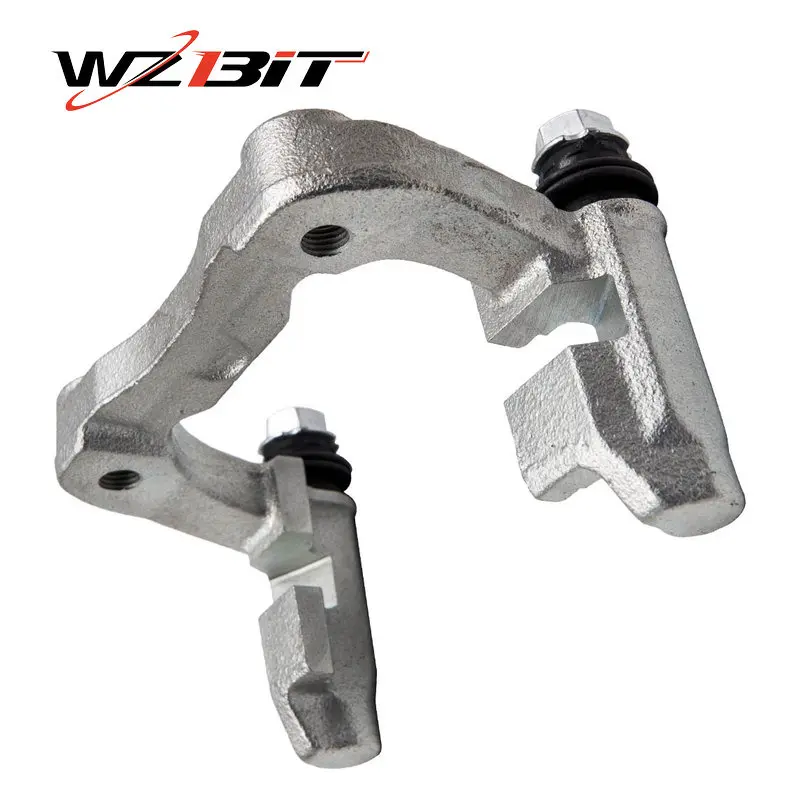
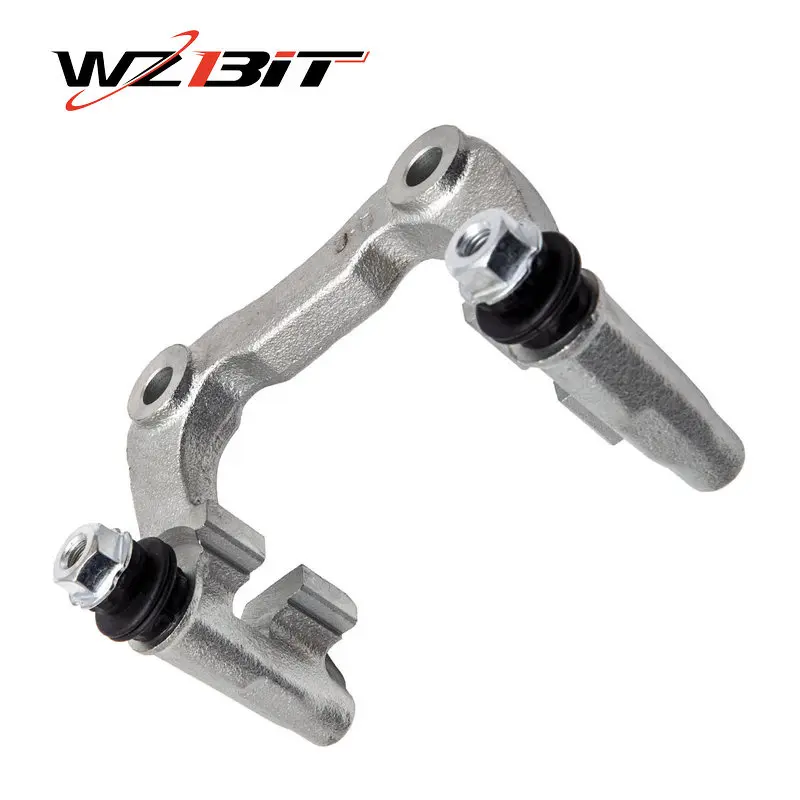
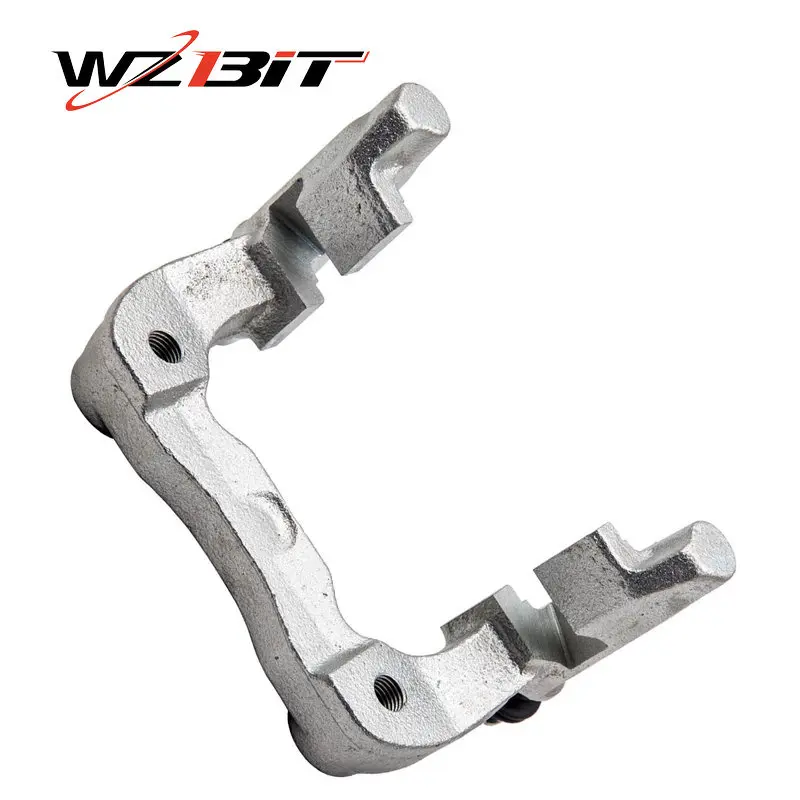
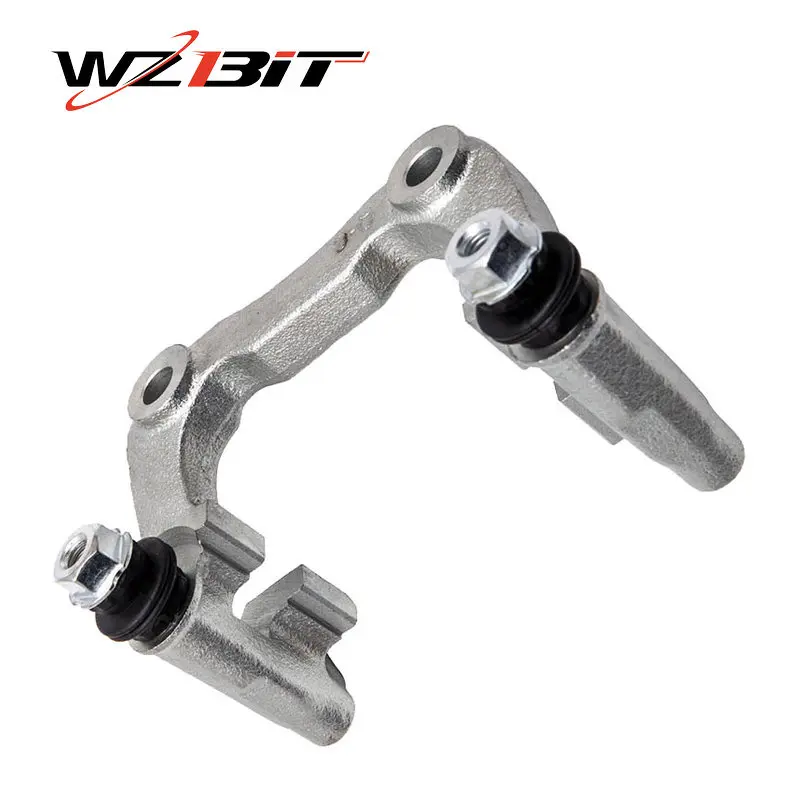
1 / 4
| 440467 |
| 6Q0615426 |
| 6Q0615426A |
| 4404G0 |
| 6Q0615426D |
| AUDI A3 (8L1) (1996/09 - 2003/05) |
| AUDI A2 (8Z0) (2000/02 - 2005/08) |
| PEUGEOT 307 (3A/C), SW (3H), CC (3B), Break (3E) |
| PEUGEOT 1007 (KM_), 207 (WA_, WC_), 207 CC (WD_), 207 SW (WK_) |
| PEUGEOT 308 (4A_, 4C_), 308 SW Estate, 308 CC, 208, 2008 |
| VW GOLF IV (1J1), GOLF Mk IV Estate (1J5), LUPO (6X1, 6E1) |
| VW NEW BEETLE (9C1, 1C1), JETTA IV (1J2), BORA Estate (1J6) |
| VW POLO (9N_), NEW BEETLE Convertible (1Y7), RABBIT V (1K1) |
| VW LAVIDA, POLO Hatchback, POLO Saloon |
| SKODA OCTAVIA (1U2), OCTAVIA Combi (1U5), FABIA (6Y2, 6Y5, 6Y3) |
| SKODA PRAKTIK (5J), ROOMSTER Praktik (5J) |
| SEAT CORDOBA (6K1, 6K2, 6L2), AROSA (6H), TOLEDO Mk II (1M2) |
| SEAT LEON (1M1), IBIZA Mk IV (6L1), IBIZA V (6J5, 6P5, 6J1, 6J8) |
| Citroen C3 I, C3 II, C3 Pluriel, C3 Picasso, C2 (JM_) |
| Citroen C4 I, C4 II, C4 Coupe, C4 PALLAS, C4 CACTUS |
| Citroen DS3, DS4 |
| BDA590 |
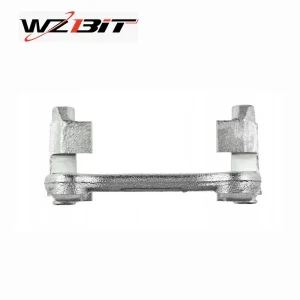
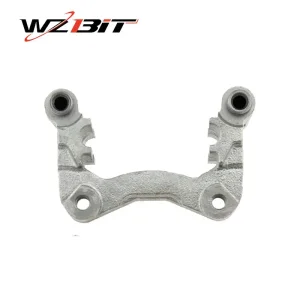
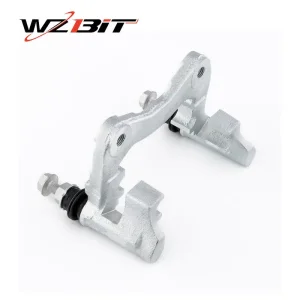
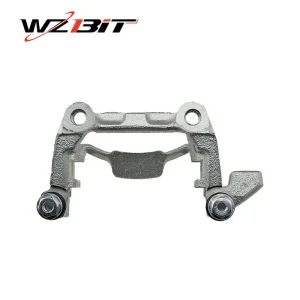
The humble yet indispensable auto brake caliper is a cornerstone of any vehicle's safety system, playing a critical role in bringing your car to a stop. Essentially, a brake caliper is a component that houses the brake pads and pistons, forming a crucial part of the disc brake assembly. When you press the brake pedal, hydraulic fluid is pressurized and directed to the caliper. This pressure forces the caliper's pistons to extend, pushing the brake pads against the spinning brake rotor (or disc).
This forceful clamping action creates immense friction, which in turn converts the vehicle's kinetic energy into heat, effectively slowing down or stopping the wheels. Without properly functioning calipers, the entire braking system would be rendered ineffective. There are two main types: floating (or sliding) calipers, which move relative to the rotor, and fixed calipers, which are bolted directly to the wheel hub and have pistons on both sides of the rotor.
Regardless of their specific design, all brake calipers are engineered to withstand extreme temperatures and forces, ensuring reliable and consistent braking performance under various driving conditions. Regular maintenance and inspection of brake calipers are vital to guarantee optimal braking efficiency, vehicle control, and ultimately, the safety of occupants.