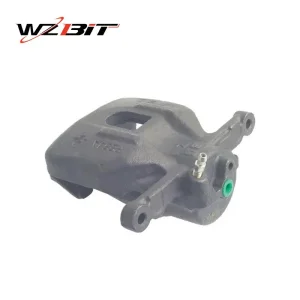
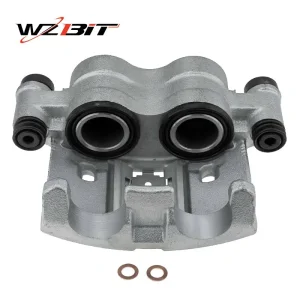
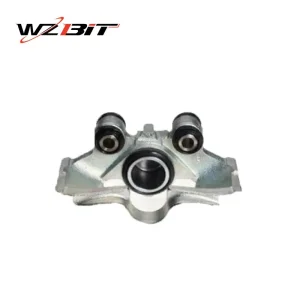
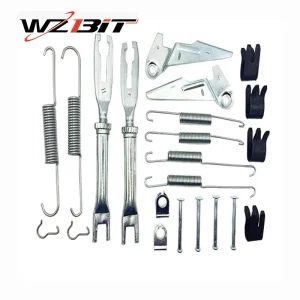
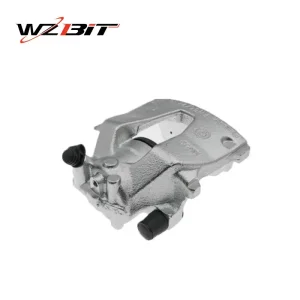
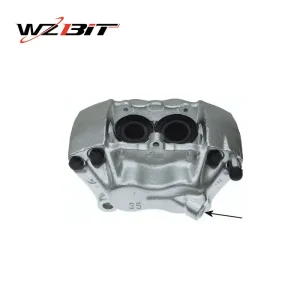
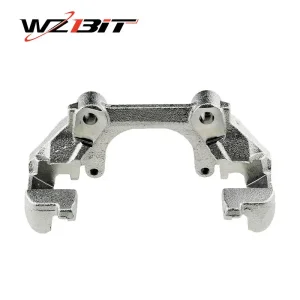
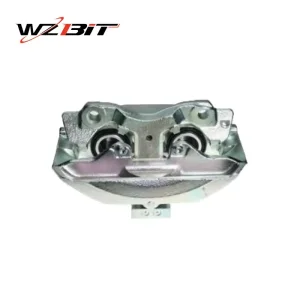
Explore our premium catalog of high-performance brake calipers and systems tailored for European, American, and Asian passenger vehicle applications.
An in-depth analysis of metallurgical specifications, supply chain stability, and precision engineering paradigms.
The global automotive aftermarket and Tier-1 supply networks are undergoing an unprecedented shift toward digital accountability, extreme durability, and precise component mapping. At the core of this transformation is the OEM 343168 brake caliper reference—a safety-critical component widely utilized across major European automotive platforms, including popular passenger car lineages. As vehicle configurations demand lighter, more thermally-efficient braking apparatuses, OEM factories are forced to transition from legacy casting techniques to high-performance nodular cast iron and specialized aluminum alloy formations.
The manufacturing architecture of the OEM 343168 demands exact adherence to micrometric clearances and material density profiles. Operating under high thermal loads, the caliper housing must endure cyclic pressures exceeding 150 bars without manifesting structural fatigue, micro-cracking, or hydraulic seal displacement. To achieve this, leading Chinese factories have integrated sophisticated casting simulation software (such as MAGMASOFT) to pre-calculate solidification zones, eliminating internal porosity before the metal is poured. This analytical discipline ensures that every batch of OEM 343168 calipers yields a tensile strength profile superior to standard gray iron alternatives.
When evaluating potential manufacturing partners for the OEM 343168, technical procurement teams must look beyond unit costs. Key evaluation parameters include IATF 16949:2016 certification status, raw material traceability (spectral analysis reports per heat number), and the specific compounding composition of rubber seals (EPDM compound longevity under extreme temperature ranges of -40°C to +150°C).
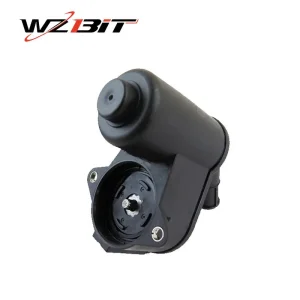
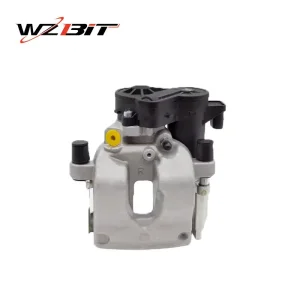
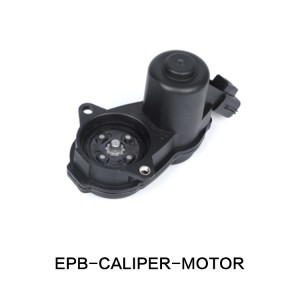
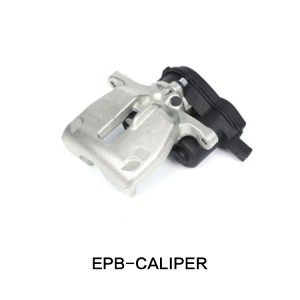
Moreover, the integration of EPB (Electric Parking Brake) actuators into rear axle assemblies—a configuration that heavily intersects with references surrounding the OEM 343168 platform—has necessitated complex structural modifications. The caliper body must feature integrated mounting faces for the actuator assembly that are machined to flatness tolerances of less than 0.05mm. Any deviation in this interface leads to misaligned motor torque distribution, premature gear wear within the actuator, and eventual system failure. This is why the modern OEM 343168 is not merely a piece of metal, but a highly integrated mechatronic housing requiring strict quality gates.
Wenzhou BIT Automobile Parts Co., Ltd. — Decades of Engineering Excellence
Founded in 1998 as a small workshop producing automotive components, our company has grown into a fully integrated manufacturing and trading enterprise specializing in high-quality braking systems. Over the past two decades, we have expanded our product range, enhanced our production capabilities, and established a strong global presence.
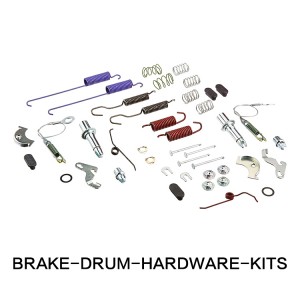
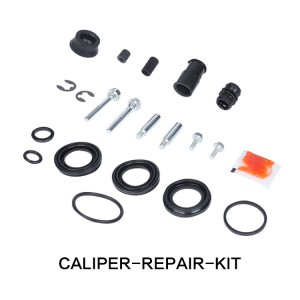
Today, Wenzhou BIT is a trusted supplier of brake calipers, repair kits, EPB motors, caliper brackets, brake drum repair kits, and more, serving customers in multiple international markets. Our evolution from a local manufacturer in 2008 supplying Chinese trading companies, to establishing our direct international trading arm in 2018, highlights our commitment to serving global customer needs with tailored engineering solutions.
Explore our core business segments engineered to deliver OE-equivalent performance across passenger vehicle platforms.
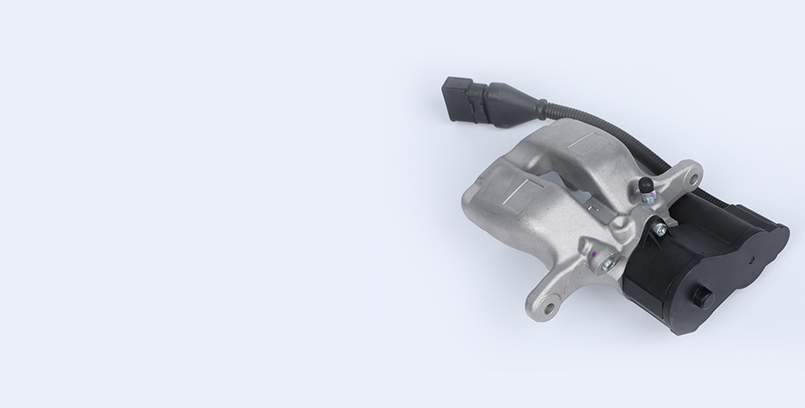
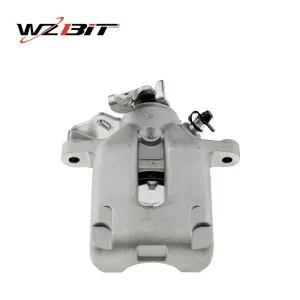
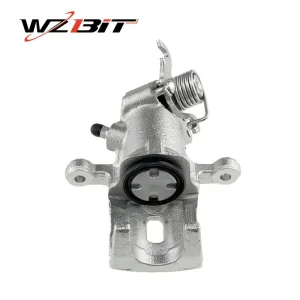
Electrical Parking Brake Caliper with actuators
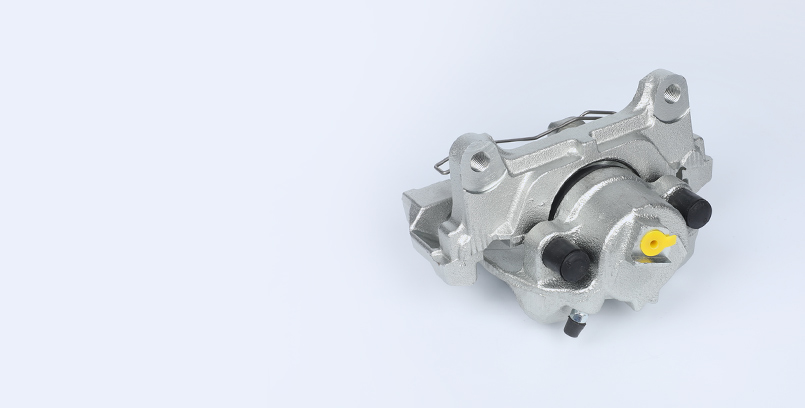
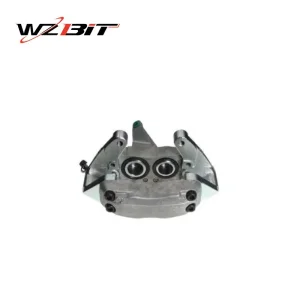
For European, American, Japanese & Korean cars
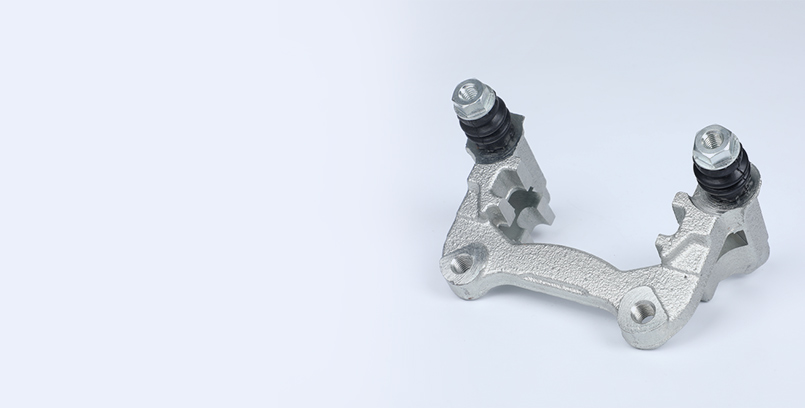
50+ reference numbers in portfolio
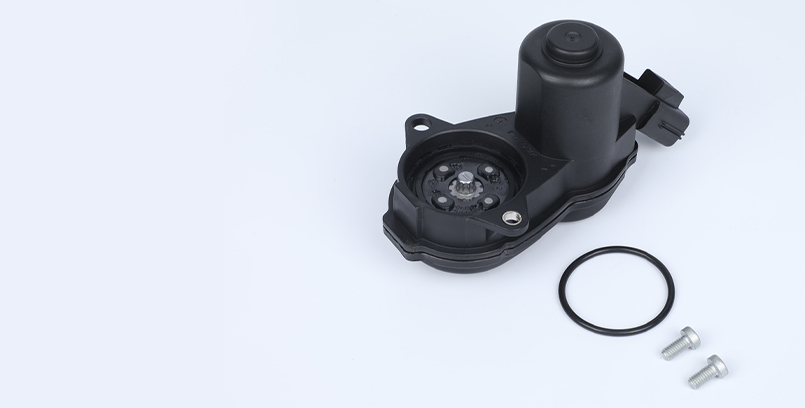
60+ reference numbers for global applications
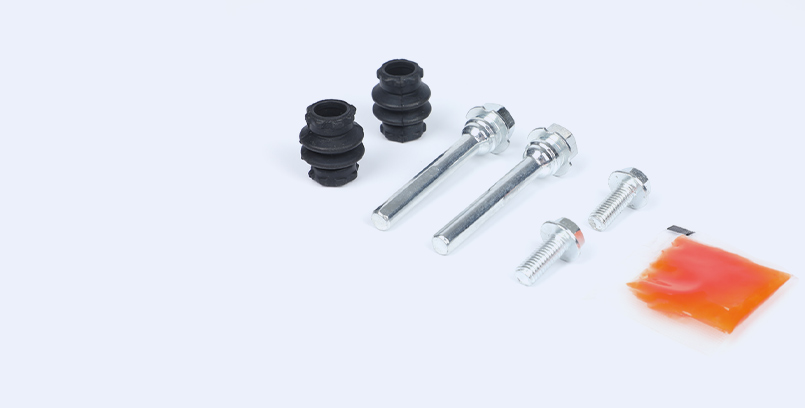
For most Japanese and Korean passenger cars
How Wenzhou BIT implements advanced manufacturing methodologies to guarantee zero-defect components globally.
Our raw caliper housings undergo rigorous material inspections prior to machining. We employ spectrographic analysis to check element distribution (Carbon, Silicon, Manganese, Sulfur, and Phosphorus) in the cast iron melt. This ensures that the physical properties of the caliper body align with the original OE design parameters, providing optimal tensile strength and preventing brittleness.
Once the casting is approved, it is processed on our multi-axis CNC machining centers. Computer Numerical Control (CNC) Milling ensures that piston bores are honed to a mirror-like finish (roughness Ra ≤ 0.2 μm) and that guide pin holes are perfectly parallel. Perfect dimensional accuracy guarantees optimal slide functionality, eliminating brake drag and uneven pad wear.
Safety is non-negotiable. Every brake caliper assembled at our factory undergoes automated low-pressure and high-pressure pneumatic tests. These tests assess sealing performance under conditions replicating both normal braking pressures and panic stops. Units showing even a trace of leakage or pressure decay are instantly rejected, guaranteeing 100% field reliability.
Addressing macroeconomic pressures, nearshoring trends, and high-performance aftermarket demands.
As logistics costs fluctuate and geopolitical dynamics reshape the distribution of industrial parts, international buyers are re-engineering their procurement blueprints. The automotive brake caliper sector, which encompasses safety-critical components like the OEM 343168, is witnessing a polarization between low-cost manufacturing and high-end compliance. Large-scale distributors in Western Europe and North America now demand a robust dual-sourcing model to mitigate supply risks. Factories located in traditional industrial clusters like Wenzhou, China, are rising to this challenge by combining their extensive supply chain networks with digital tracking technologies.
A key trend impacting the industrial landscape is the emergence of electric vehicles (EVs) and their reliance on regenerative braking. Because EVs use friction brakes less frequently but require them to act instantly and powerfully when needed, corrosion resistance has become a primary design focus. To address this, modern OEM 343168 suppliers apply specialized surface coatings such as trivalent zinc plating, epoxy electrodeposition, or Geomet coatings. These advanced coatings must withstand over 240 hours of salt spray exposure (per ASTM B117 standards) without showing signs of red rust, guaranteeing consistent operation even under harsh environmental conditions.
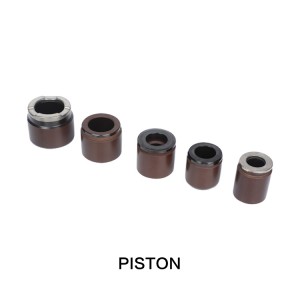
Furthermore, the demand for remanufacturing (remand) services is expanding across Western Europe. This shift encourages factories to produce caliper components (such as brackets, pistons, and seal kits) that match the dimensions of core OE castings. By supplying high-quality repair kits and caliper brackets alongside complete new units, manufacturers offer distributors the flexibility to support both new-unit sales and eco-friendly remanufacturing programs, creating a circular economy in the automotive aftermarket.
A visual breakdown of Wenzhou BIT's advanced machining methodologies and manufacturing steps.
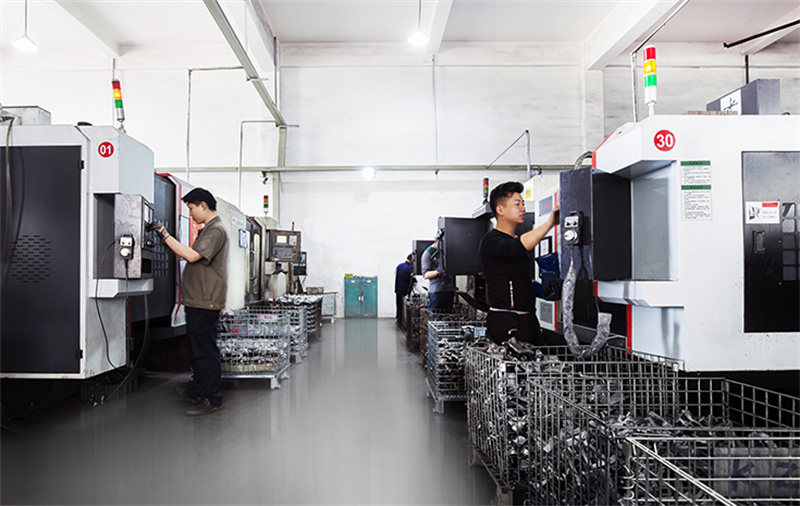
Once the raw caliper body is formed, it undergoes precision machining on CNC systems. This critical stage involves:
Every step of the machining process is backed by regular coordinate measuring machine (CMM) testing to confirm dimensions match the original drawings. This eliminates installation issues at repair shops and ensures the caliper operates smoothly under intense thermal stress.
Follow these steps to access and search our product catalog files:
How the OEM 343168 caliper platform is optimized for diverse global operating climates.
Automotive components operate in widely varying environmental conditions. A brake caliper designed for moderate European climates must perform equally well during freezing winters in Northern Europe and Canada, or humid summers in Southeast Asia. This level of versatility requires careful component engineering and testing.
For colder regions where road salt and chemical de-icers are commonly used, the caliper’s outer housing and slider pins must feature enhanced protective barriers. In these conditions, standard rubber components can quickly become brittle. Wenzhou BIT addresses this by sourcing specialized, low-temperature resistant EPDM boots that prevent moisture and salt from entering the slider pin chambers, avoiding seized calipers and uneven pad wear. Additionally, our high-temperature sealing compounds ensure the internal seals remain flexible and maintain a tight fit even under prolonged heavy braking in mountain passes or heavy stop-and-go city traffic.
Get authoritative answers to common engineering, procurement, and logistics questions regarding OEM brake calipers.
Access our complete wholesale collection of calipers, mounting brackets, and EPB components for global distributors.
 BIT Automobile