Choosing the right brake caliper parts is crucial for vehicle safety and performance. According to the National Highway Traffic Safety Administration (NHTSA), improperly functioning brakes account for a significant percentage of accidents. This highlights the importance of selecting high-quality components. The brake caliper plays a vital role in hydraulic braking systems, applying pressure to the brake pads against the rotors.
When selecting brake caliper parts, consider factors such as compatibility and material quality. The market offers a variety of calipers, including fixed and floating types. A study from the automotive industry reveals that aftermarket brake components can differ in reliability and performance. Unfortunately, not all manufacturers adhere to strict quality standards. This inconsistency raises questions about safety.
Awareness is key when sourcing brake caliper parts. Researching suppliers and reading customer reviews can bridge the gap between varying quality levels. Many mechanics emphasize the importance of OEM parts for optimal performance. However, finding reputable aftermarket options is also possible. Ultimately, prioritizing safety over cost can yield significant long-term benefits.
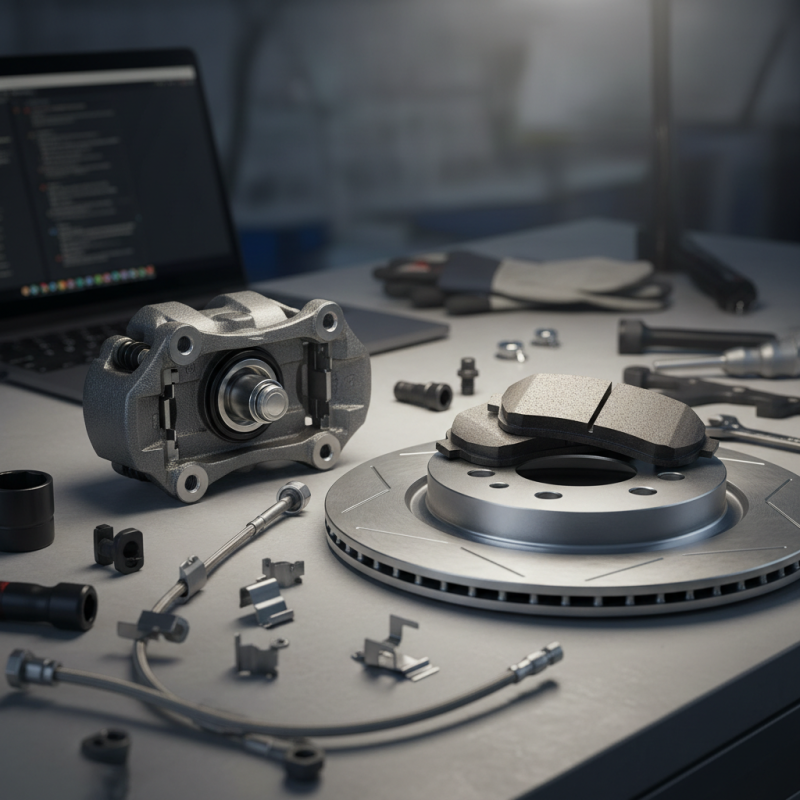
Understanding the Role of Brake Calipers in Vehicle Safety
Brake calipers play a crucial role in vehicle safety. They house the brake pads and apply pressure to them when you press the brake pedal. This process generates friction, which slows down or stops the vehicle. Without functioning brake calipers, your stopping distance increases, potentially leading to accidents. Regular checks on these components can prevent such situations.
Choosing the right caliper parts is essential. Not all calipers are the same; they come in various designs and materials. A common mistake is assuming that any caliper will fit. Incorrect parts can affect braking efficiency and safety. Evaluating your vehicle's specifications ensures compatibility. Reading trusted sources or consulting with professionals can help clarify these details.
Many vehicle owners overlook brake caliper maintenance. Ignoring signs such as unusual noises or vibrations can lead to bigger issues. Minor rust on calipers can escalate, compromising overall performance. Regular inspection is key to maintaining safety on the road. Don't take this critical component for granted. Awareness and proactive care can save lives.
Types of Brake Calipers: Disc vs. Drum and Their Differences
When it comes to brake calipers, understanding the differences between disc and drum types is crucial. Disc calipers are common in modern vehicles. They provide better heat dissipation and are often more effective in wet conditions. The exposed design allows for easy inspections and repairs. However, their higher cost and complexity can be drawbacks.
On the other hand, drum calipers are typically found in older models or for rear brakes. They are less expensive and provide a more compact design. However, they can overheat more quickly, leading to performance issues. Not all vehicles benefit from drum systems, especially in high-performance scenarios.
Choosing the right caliper type for your vehicle is essential for safety and performance. It's worth reflecting on your driving habits and the environment you drive in. If you frequently drive in challenging conditions, disc calipers might be better. However, for lighter usage, drum calipers can be sufficient. Understanding these differences is key to making an informed decision.
Comparison of Brake Caliper Types
This chart represents the weight comparison between Disc Brake Calipers and Drum Brake Calipers. Disc Brake Calipers are generally lighter than Drum Brake Calipers, which could influence your choice when selecting brake caliper parts for your vehicle.
Key Factors to Consider When Choosing Brake Caliper Parts
When choosing brake caliper parts, understanding the key factors is crucial. The material of the caliper significantly affects performance. Common materials include aluminum and cast iron. Aluminum is lightweight, enhancing vehicle responsiveness. Cast iron, on the other hand, is robust and durable but adds weight. Make sure to weigh the pros and cons before making a decision.
The compatibility of the caliper with your vehicle cannot be overlooked. Each vehicle model may require specific parts. Referencing your owner’s manual is a good starting point. However, cross-checking with knowledgeable sources can also prevent mistakes. Researching user reviews helps gauge reliability and performance.
Additionally, consider the type of braking system your vehicle uses. Vehicles may have disc or drum brakes, influencing caliper choice. Not all calipers fit all systems, leading to potential issues. Be prepared to seek expert advice if you're unsure. Remember, sometimes the perfect fit doesn’t instill confidence in performance. It's okay to be cautious and seek help.
Materials and Quality: What to Look for in Caliper Components
When selecting brake caliper parts, the material used is crucial. Most calipers are made from aluminum or cast iron. Aluminum is lightweight and offers better heat dissipation. In contrast, cast iron provides durability but can weigh more. Reports indicate that approximately 65% of aftermarket calipers utilize aluminum due to these performance benefits.
Quality matters significantly in brake components. Look for manufacturers that adhere to strict quality control measures. Many industry experts recommend calipers that meet or exceed OEM standards. The National Highway Traffic Safety Administration (NHTSA) shows that a significant percentage of brake system failures are due to subpar components. An estimated 30% of brake-related accidents are linked to faulty calipers.
It’s essential to consider surface finish as well. A rough finish can lead to uneven wear and reduced performance. While some may overlook this detail, the impact on overall safety is immense. The ideal caliper should have a smooth finish that reduces friction. Remember, investing in quality parts is vital for your vehicle's safety and longevity.
Compatibility: Ensuring Parts Fit Your Vehicle Model Properly
When choosing brake caliper parts, compatibility is paramount. Every vehicle model has specific requirements. Improper parts can lead to significant safety issues. To ensure the best fit, check your vehicle’s make, model, and year. Many car manufacturers provide detailed specifications. Taking the time to read these can save you from costly mistakes.
Additionally, consider the differences between front and rear calipers. Some vehicles use different parts at each end. Always verify the specifications for both sets to avoid mismatches. Look for detail in customer reviews regarding fitment. These insights offer real-world experiences from other users, helping you gauge reliability.
It’s worth considering aftermarket options carefully. While they can be tempting, not all are created equal. Some may lack the precise dimensions required for a perfect match. Staying informed about the intricacies of brake calipers can guide your decision. Testing the fit with small measurements can provide peace of mind before installation.
FAQS
: The two main types are disc and drum calipers. Disc calipers are common in modern vehicles.
Disc calipers allow for better heat dissipation and perform well in wet conditions. They are also easier to inspect.
Yes, they can be more expensive and complex, which may deter some buyers.
Drum calipers are usually found in older models and are better for lighter usage due to their compact design.
Drum calipers can overheat quickly, leading to performance issues in difficult driving conditions.
Always check your vehicle’s make, model, and year. Incorrect parts can lead to safety issues.
Yes, but be cautious. Some aftermarket options may not fit properly or lack precision.
Reading customer reviews and double-checking specifications can help. Measuring small details may provide peace of mind.
Reflect on your driving habits and conditions. Choose disc calipers for challenging conditions, drum for lighter use.
Incompatible parts can lead to costly and dangerous mistakes. Always take time to research before buying.
Conclusion
When it comes to vehicle safety, understanding the role of brake calipers is crucial. These components are essential in the braking system, as they apply pressure to the brake pads, thereby slowing down or stopping your vehicle. There are two primary types of brake calipers: disc and drum, each with its distinct functionalities and differences. Choosing the right brake caliper parts involves considering several key factors, including the materials and quality of the components, which directly affect performance and durability.
It is important to prioritize compatibility when selecting brake caliper parts to ensure they fit your specific vehicle model correctly. High-quality materials often lead to enhanced braking efficiency and longevity. Therefore, when choosing brake caliper parts, take the time to evaluate these factors to ensure optimal safety and performance for your vehicle.

 BIT Automobile