Choosing the right Wheel Caliper in 2026 is not a styling decision. It is a fitment and safety decision. The caliper must match the vehicle, rotor dimensions, mounting points, brake system, and intended use. A part that looks correct online may still interfere with the wheel or deliver poor braking performance. Check the vehicle’s exact year, make, model, trim, and existing brake configuration before comparing options. Then confirm the manufacturer’s fitment data and installation requirements.
“Choose a caliper by verified fitment and braking needs, not appearance alone.” — [Insert a named brake-system expert’s approved quotation and credentials.]
That is the standard this guide will examine. We will compare factory replacements and performance upgrades, explain material and piston-count claims, and identify details worth checking before purchase. Look closely at mounting ears, hose connections, bleeder position, and clearance behind the wheel spokes. Small differences matter. So does the condition of the rotors, pads, and brake fluid. A new caliper cannot fix every braking problem. Sometimes, the issue lies elsewhere. This is easy to overlook, even for experienced owners. Before installation, confirm compatibility with reliable technical documentation or a qualified technician. A careful choice protects predictable pedal feel and helps avoid costly fitment surprises. One limitation remains: product listings can omit important measurements. Verify them rather than assume.
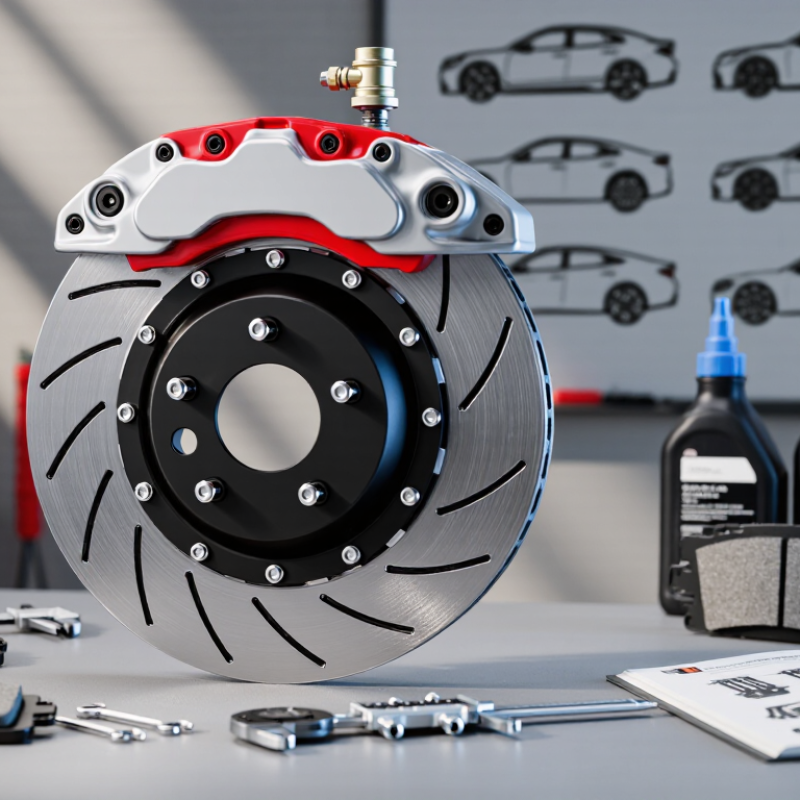
Before choosing a wheel caliper, identify the vehicle precisely. Record its model year, engine, trim, production date, and vehicle identification number. The same model can use different brakes across trims or production runs. Small differences matter. Check whether you need a front or rear caliper, and note the axle position.
Then identify the brake system fitted to that exact vehicle. Look for the rotor diameter and thickness, caliper mounting pattern, hose connection, and pad shape. Confirm whether the caliper is floating or fixed, and whether the rear brake includes an electronic parking-brake actuator. A mismatch can cause poor fit, uneven pad contact, or warning lights. Measure, then verify.
Use the vehicle’s service information or a reliable parts catalogue, and compare its specifications with the caliper being considered. Do not rely on appearance alone; two calipers may look nearly identical but have different piston sizes or fittings. If the vehicle has had brake modifications, inspect the installed components rather than assuming factory specifications still apply. Parts databases can miss midyear changes, so uncertainty deserves a second check. Have a qualified technician confirm compatibility if measurements or system details are unclear.
Caliper designs commonly include single-piston floating calipers and fixed calipers with two, four, or six pistons per caliper. These are representative configurations, not fitment specifications. Before choosing a replacement, confirm your vehicle’s year, make, model, trim or VIN, axle, brake package, rotor dimensions, mounting points, and pad shape.
Compare Caliper Types, Materials, and Mounting Designs
A floating caliper slides on guide pins and uses one or two pistons to clamp both pads. It is compact and usually lighter, but seized pins can cause uneven pad wear.
A fixed caliper holds pistons on both sides of the rotor, often improving stiffness and pressure distribution. More pistons do not automatically mean shorter stops. Pad compound, tire grip, and heat management matter too. A caliper chart can mislead.
Material changes weight and heat behavior. Cast iron is durable and cost-effective; aluminum reduces unsprung mass but needs careful design around heat and stiffness. The U.S. EPA’s 2024 Automotive Trends Report puts average new-vehicle weight at about 4,329 pounds for model year 2023. That figure is not a brake-load calculation, but heavier vehicles make thermal capacity worth checking.
Mounting matters as well: axial mounts suit many standard layouts, while radial mounts can make alignment adjustments easier in performance applications. Measure rotor thickness, offset, bolt spacing, and wheel clearance before choosing.
NHTSA’s FMVSS No. 135 uses defined brake-performance tests, a useful reminder that a component’s advertised features are not a substitute for system-level testing. Feel matters. A little uncertainty remains when parts are mixed across model years, so verify fitment against the exact vehicle and rotor.
Choosing a wheel caliper starts with how the vehicle is actually driven, not how large the caliper looks. For daily commuting, a correctly matched standard caliper may offer predictable braking and easier maintenance. Repeated downhill runs or track sessions place greater demands on heat management. In those conditions, caliper design, pad material, and rotor capacity all matter. Bigger is not automatically better.
Check the vehicle’s approved rotor dimensions, mounting points, and wheel clearance before selecting a caliper. A caliper that touches the inside of a wheel is not a usable upgrade. Small details matter. Piston area also affects hydraulic balance and pedal feel, so changing caliper size without considering the rest of the braking system can create uneven braking. Use manufacturer specifications or a qualified technician’s measurements, rather than guessing from appearance.
Think about the conditions you encounter most: stop-and-go traffic, steep roads, towing, or occasional high-speed use. A setup built for heavy heat may add cost and weight without helping an everyday driver much. Meanwhile, a modest setup can fade when repeatedly pushed beyond its intended use. There is no perfect answer for every road. Be honest about your habits, and leave room for one uncomfortable question: are you choosing useful performance, or just a more impressive-looking part?
| Driving Need | Caliper Style to Consider | Piston and Rotor Considerations | What to Prioritize | Fitment Checks |
|---|---|---|---|---|
| Everyday commuting | A correctly specified original-equipment-style floating caliper is often suitable for normal road use. | Match the original rotor diameter and thickness, caliper bracket, and pad shape. More pistons are not automatically better. | Reliable cold braking, predictable pedal feel, low noise, and straightforward maintenance. | Confirm the vehicle application, rotor dimensions, pad compatibility, brake hose connection, and wheel clearance. |
| Frequent mountain or steep-hill driving | A well-matched upgrade may use a larger rotor and a fixed multi-piston caliper, where the vehicle supports the conversion. | Choose the caliper and rotor as a system. Rotor mass and design, pad temperature range, and brake-fluid condition also affect heat management. | Consistent braking during repeated stops and resistance to excessive heat buildup. | Check approved rotor and caliper combinations, hydraulic balance, wheel clearance, and whether cooling or fluid upgrades are needed. |
| Towing or carrying heavy loads | Use a caliper designed for the vehicle’s approved brake configuration; do not assume a larger caliper alone increases safe stopping capacity. | Preserve the engineered front-to-rear brake balance and use compatible rotors and pads rated for the application. | Stable braking under load, correct trailer-brake setup where applicable, and components rated for the vehicle. | Follow the vehicle’s load and towing specifications. Verify axle ratings, brake-system compatibility, and any required inspection or approval. |
| Spirited road driving | A fixed caliper can provide a firm, consistent setup when paired with a properly engineered rotor, pad, and hydraulic combination. | Piston area and rotor leverage affect braking response. A change in caliper piston area can alter pedal travel and front-to-rear balance. | Progressive control, repeatable braking, suitable pad behavior when cold, and dependable road manners. | Check master-cylinder compatibility, brake bias, ABS operation, pad availability, and clearance through the full wheel rotation. |
| Track days or repeated high-energy braking | A track-oriented fixed caliper may be appropriate as part of a complete, tested brake package. | Match caliper piston area, rotor size and thickness, pad compound, and brake-fluid boiling point to the vehicle and event conditions. | Heat capacity, consistent pedal feel, serviceability, and parts suited to sustained high temperatures. | Confirm wheel and spoke clearance, ducting needs, rotor limits, pad fit, fluid specification, and post-event inspection requirements. |
| Mixed daily driving and occasional performance use | Choose a street-compatible setup with a suitable temperature range rather than selecting a caliper by piston count alone. | Retain a compatible rotor and hydraulic setup; select pads and fluid that work for both normal traffic and occasional hard use. | Cold performance, manageable noise and dust, and adequate heat tolerance for the intended use. | Verify complete vehicle fitment and ensure any upgrade remains compatible with ABS, stability control, and the wheel assembly. |
Important: These are general selection guidelines, not vehicle-specific fitment specifications. Caliper size cannot be chosen safely from wheel diameter alone. Confirm the exact vehicle application and use a tested combination of caliper, rotor, pads, hydraulics, and wheels.
A caliper that matches the mounting holes may still conflict with the rotor or wheel. Check rotor diameter, thickness, and swept area against the caliper’s approved range. The pads should contact the rotor evenly, without extending beyond its edge. Measure wheel-barrel and spoke clearance, too; a paper template can reveal tight spots before installation. Small gaps matter.
NHTSA’s FMVSS No. 135 sets a 70-meter stopping-distance limit from 100 km/h for applicable light vehicles in specified tests. This is a vehicle-level benchmark, not proof that an individual caliper fits or performs correctly. SAE J2522 provides a dynamometer test procedure for comparing brake-system performance, but it does not replace vehicle-specific fitment checks. Confirm bracket position, hose routing, fastener engagement, and clearance through steering lock and suspension travel. Then verify the installed assembly follows the vehicle and component manufacturers’ specifications. I would not rely on a catalog match alone; measurements can expose a mismatch that the listing misses.
A suitable brake caliper must match your vehicle’s exact specifications. Check the vehicle manual or a trusted service reference for fitment, mounting points, and brake system requirements. A caliper that looks right may still sit incorrectly or interfere with the wheel. Small differences matter.
Assess build quality before buying. Look for even casting, clean threads, and smooth movement in the piston and guide pins. Protective boots should sit firmly without tears. Ask for clear material and testing information, and confirm the part meets applicable safety requirements in your region. A low price alone proves very little. It is easy to focus on appearance and miss a damaged seal.
Tips: Compare the replacement with the original before installation. Keep brake fluid away from painted surfaces, and use the specified torque values. During routine service, check for leaks, uneven pad wear, and a sticking caliper. After installation, a qualified technician should inspect the system and verify firm pedal feel. Don’t guess. Maintenance intervals can vary with driving conditions, so follow the vehicle maker’s guidance. Even careful checks cannot replace a proper brake test.
Match it to your vehicle’s approved specifications and normal driving conditions. A correctly sized standard caliper may provide predictable braking and easier maintenance.
No. A larger setup can add weight and cost without helping an everyday driver. Looks can mislead.
Check rotor diameter, thickness, mounting points, and wheel clearance. A paper template can reveal tight spots near the spokes.
It affects hydraulic balance and pedal feel. Changing caliper size without considering the rest of the system may cause uneven braking.
The pads should contact the rotor evenly and stay within its edge. Measure the swept area; guessing is not enough.
Check hose routing, fastener engagement, and clearance through steering lock and suspension travel. Small gaps matter.
Repeated downhill driving, towing, or track sessions can place greater demands on heat management. Occasional hard use is different.
Not by itself. Compare measurements with vehicle and component specifications, or ask a qualified technician. I might be overcautious, but a mismatch can hide until installation.
Choosing the right Wheel Caliper in 2026 starts with understanding your vehicle, brake system, and intended use. Check the required caliper configuration, then compare available types, materials, and mounting designs to find an option suited to your vehicle’s construction and operating conditions. Size and performance matter too: everyday commuting, frequent heavy loads, and spirited driving can place different demands on braking components, so prioritize a suitable balance of braking capacity, durability, and control.
Before making a choice, verify that the caliper works with your rotors, wheels, brake pads, and other connected components. Consider how easily it can be inspected and maintained, and look for clear manufacturing specifications and evidence of quality testing. A well-matched caliper can support consistent braking and dependable operation, while careful fitment checks help prevent installation issues and maintain the overall safety of the braking system.

BIT Automobile