How to Choose the Right Caliper Piston Seal Kit for Your Needs?

Time:2026-08-23 Author:Sienna
0%

Choosing the right Caliper Piston Seal Kit can seem daunting. With so many options available, it is essential to know what you need. Selecting the incorrect seal kit could lead to brake system failure or costly repairs. Understanding your vehicle's specifications, including make and model, is crucial.

Expert knowledge and experience can guide your decision-making process. You should consider the material of the seal. Different materials offer varying levels of durability and resistance to wear. Researching brands is also vital. Some brands have established a reputation for quality and reliability.

While price is important, it should not be the only factor. Cheaper options may lack long-term performance. Reflect on your priorities—if safety is a concern, investing in a high-quality Caliper Piston Seal Kit is wise. Take your time exploring options. A well-informed choice can prevent future headaches and ensure smooth vehicle operation.
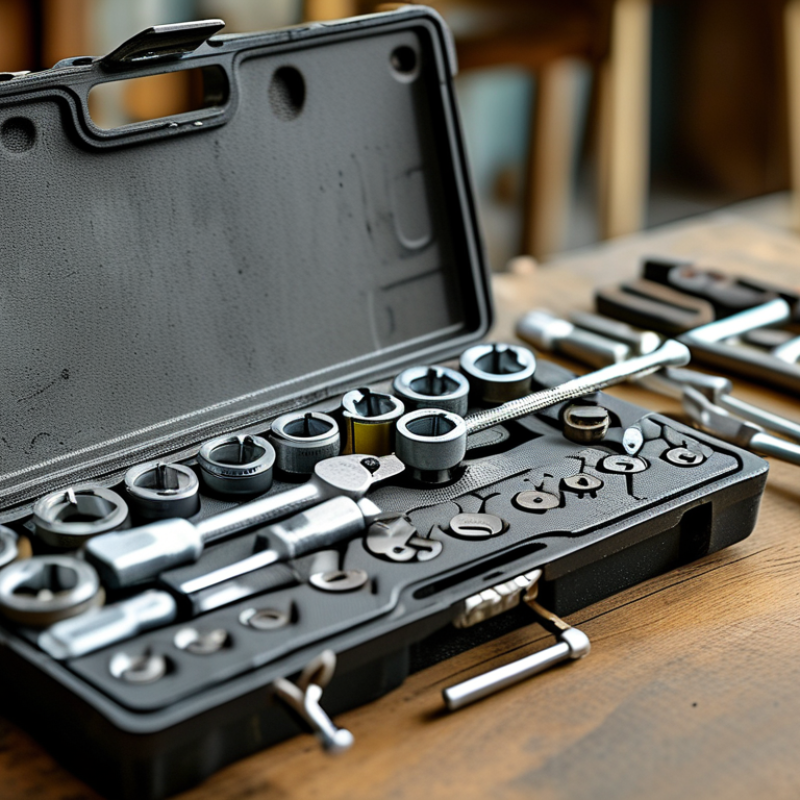
How to Choose the Right Caliper Piston Seal Kit for Your Needs?

Understanding Caliper Piston Seal Kits and Their Importance

Caliper piston seal kits play a crucial role in automotive braking systems. These kits contain seals that prevent brake fluid from leaking. A well-functioning seal ensures consistent brake performance. When the seals deteriorate, it can lead to decreased braking efficiency and safety risks.

Choosing the right kit requires understanding different seal materials and sizes. Materials vary in durability and resistance to heat and chemicals. For instance, rubber seals are common but may wear quickly under extreme conditions. It’s essential to assess your vehicle's specifics to ensure a proper fit. Inspect the old seals for signs of wear or damage.

There’s often confusion about the correct specifications. Some may overlook the importance of matching the seal to the piston size and type. Misjudgments can lead to improper sealing and costly repairs down the line. Experts recommend consulting technical manuals or professional mechanics for guidance. A small error now can result in significant issues later.

Caliper Piston Seal Kits: Importance and Selection Criteria

Identifying the Right Seal Material for Your Vehicle's Requirements

When choosing a caliper piston seal kit, identifying the right seal material is crucial. Different vehicles require specific materials based on their operating conditions. Common seal materials include rubber, silicone, and polyurethane. Each material has its strengths and weaknesses.

Rubber seals are often the most affordable option. They work well in standard conditions but may degrade quickly under harsh environments. Silicone seals, on the other hand, offer greater temperature resistance. They are suitable for high-performance applications but can be more expensive. Polyurethane seals provide an excellent balance between durability and cost. However, they may not be the best choice for all applications, especially in extreme temperatures.

Considering the unique requirements of your vehicle is essential. Assessing the specific operating conditions helps in making a well-informed decision. For example, if your vehicle frequently experiences heat or exposure to chemicals, silicone might be ideal. Reflecting on your driving habits, terrain, and climate can lead to a more suitable choice in seal material. It's easy to overlook these factors, but they significantly impact performance and longevity.

Evaluating Compatibility with Your Brake System

When selecting a caliper piston seal kit, evaluating compatibility with your brake system is vital. A significant portion of brake failures can be traced to seal issues. According to industry reports, nearly 30% of brake system malfunctions are due to incompatible seals. This underlines the importance of precise compatibility checks.

Start by identifying your vehicle's brake system specifications. Look into materials used in existing seals and the specific design of your caliper. The choice of elastomer compounds plays a crucial role. For instance, Nitrile rubber provides excellent resistance but may not suit high-temperature environments. Conversely, Fluoroelastomers can withstand elevated temperatures but could be excessive for standard applications.

Another area to consider is the fitment of the seal itself. A loose or overly tight seal may compromise braking performance. Research shows that nearly 15% of late-model vehicles experience issues from incorrect seal fitting. Before purchasing, verify the dimensions and make comparisons against manufacturer guidelines. This reflection on compatibility can prevent potential hazards.

Considering Temperature and Pressure Ratings in Seal Selection

When selecting a caliper piston seal kit, understanding temperature and pressure ratings is essential. Seals must withstand specific environmental conditions without failing. High temperatures can lead to seal degradation, while excessive pressure may cause leaks or rupture. Assess the operating conditions of your application carefully to avoid premature seal failures.

Consider how different materials react to temperature variations. Rubber and silicone seals behave differently under heat. Some materials become more flexible, while others may harden. Always reference manufacturer guidelines for temperature limits. This ensures you select the right seal to maintain performance.

When it comes to pressure, be mindful of the maximum ratings. A seal rated for low pressure may fail in high-pressure situations. Evaluate the pressure levels specific to your application. It’s wise to opt for seals that exceed expected pressure for added durability.

Make sure to account for changes during operation. If you expect fluctuations in temperature or pressure, choose a versatile kit. Versatile kits offer flexibility and broader operational ranges. This can prevent issues later on. Always track seal performance and adjust selections as needed.

Assessing Installation Ease and Maintenance for Longevity

When selecting a caliper piston seal kit, consider the installation process. An easy-to-install kit saves time and effort. Look for features such as pre-lubricated seals or guided installations. These can significantly enhance your experience. However, even the simplest kits can present challenges. Misalignment during installation can lead to premature wear.

Maintenance is crucial for longevity. Regular inspections help identify wear and tear early. Understand the materials used in your seal kit. Some materials resist humidity and heat better than others. However, even high-quality seals can degrade over time. Delaying maintenance can result in costly repairs later. Implement a consistent maintenance schedule to prevent unexpected breakdowns. Be prepared for adjustments; not every installation goes as planned. Troubleshooting can be a valuable skill, enhancing your overall experience.

FAQS

: What are caliper piston seal kits?

: Caliper piston seal kits contain seals that prevent brake fluid leaks in automotive braking systems.

Why are seal kits important?

They ensure consistent brake performance. Deterioration leads to decreased efficiency and safety risks.

How do I choose the right seal kit?

Understand the seal materials and sizes that fit your vehicle. Inspect old seals for wear and damage.

What material should I look for?

Seals can be rubber or silicone. Rubber may wear quickly under extreme conditions, while silicone offers better durability.

What should I know about temperature ratings?

Seals must withstand specific temperatures. Degradation can occur at high heat, affecting performance.

How do pressure ratings matter?

Always evaluate the maximum pressure levels. Low-rated seals may fail in high-pressure situations.

What if conditions change during operation?

Choose versatile kits that adapt to fluctuating temperature or pressure. This can help prevent future issues.

How can improper seal selection affect me?

Misjudgments can lead to leaks and costly repairs. It’s crucial to match seals to piston size and type.

Should I consult with a professional?

Yes, technical manuals or professional mechanics can provide guidance on the right seals for your needs.

How do I track seal performance?

Regular inspections can help you monitor seal condition. Adjust selections as needed based on performance metrics.

Conclusion

When selecting the right Caliper Piston Seal Kit, understanding the various options available and their significance is crucial. These seal kits are essential for ensuring the effective functioning of your vehicle's braking system. It’s important to identify the appropriate seal material that aligns with your vehicle's specifications and to evaluate compatibility with your existing brake system to ensure optimal performance.

Additionally, considering the temperature and pressure ratings of the seals is vital for longevity and reliability. Lastly, ease of installation and maintenance should also be assessed to support the durability of your braking components. By taking these factors into account, you can make an informed choice that enhances the safety and efficiency of your vehicle's braking system.

Sienna

Sienna

Sienna is a skilled marketing professional with a deep expertise in our company’s core products and services. With a passion for innovation and detail, she plays a pivotal role in crafting insightful blog posts that not only highlight the unique features of our offerings but also provide valuable......