Choosing the right Brake Slack Adjuster is crucial for vehicle safety and efficiency. A suitable adjuster guarantees proper brake function, which directly affects stopping power. Understanding the characteristics of various models can be overwhelming.
Many adjusters on the market vary in quality and design. You might wonder how to determine what fits your needs best. Factors such as size, material, and adjustability come into play. A poor choice can lead to significant safety issues and increased wear on brake components. Conversely, an ideal selection can enhance vehicle performance and extend brake life.
As you navigate the options, reflect on your specific use case. Is it for heavy-duty work or regular commuting? Knowing your requirements can simplify your decision-making process. While there are reliable brands, some might not offer what you really need. Research and hands-on testing are essential. Without proper understanding, you risk ending up with an incompatible or inferior product.
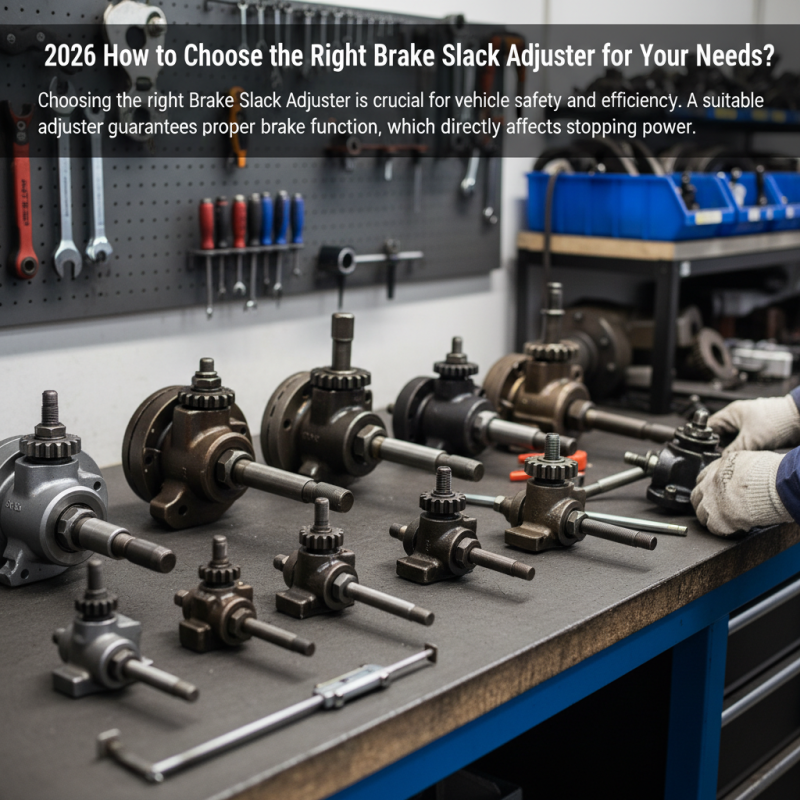
When selecting a brake slack adjuster, understanding the basics is crucial. Brake slack adjusters play a vital role in ensuring the proper functioning of your vehicle's braking system. They automatically adjust the brake shoes' position as they wear down, maintaining the ideal distance. This mechanism enhances safety and performance in heavy-duty vehicles.
Choosing the right adjuster can seem overwhelming. Ensure compatibility with your specific brake system type. Not all adjusters are created equal, and using the wrong one can lead to improper adjustments. Additionally, consider the adjuster's design. Some may offer manual adjustments for fine-tuning, while others are fully automatic. Understanding these differences will help address your specific needs.
Tip: Regular maintenance checks can prevent unexpected breakdowns. Monitor your adjuster's performance frequently. If you notice unusual wear or noise, don’t hesitate to inspect it further. Educating yourself on adjusters enhances your decision-making process. As needs can evolve, revisiting your choices periodically is beneficial. Stay informed about advancements and trends related to brake slack adjusters.
When it comes to brake slack adjusters, understanding the different types is crucial. There are manual and automatic adjusters, each serving specific needs. Manual adjusters require regular checks and adjustments by the driver or technician. This can be labor-intensive but allows for tailored settings to specific driving conditions. On the other hand, automatic adjusters self-regulate and maintain optimal slack, reducing the chance of human error.
Different applications call for different adjusters. In heavy-duty vehicles, automatic slack adjusters are commonly preferred. They ensure consistent performance under heavy loads. However, in lighter vehicles, manual adjusters can provide more control and personalization. It’s essential to consider vehicle type when making a choice. Reflecting on actual experiences with each type can offer deeper insights into their performance and reliability.
Choosing the right brake slack adjuster may seem straightforward. However, the complexity of vehicle dynamics adds layers to this decision. Some may overlook aspects such as compatibility or installation challenges. Rethinking the choice based on real-world use cases can lead to better outcomes. Tailoring your selection to specific needs helps ensure safety and efficiency on the road.
| Type of Brake Slack Adjuster | Application | Advantages | Disadvantages |
|---|---|---|---|
| Automatic Slack Adjuster | Heavy-duty trucks and trailers | Consistent brake performance, reduced maintenance | Higher initial cost, complex design |
| Manual Slack Adjuster | Light-duty vehicles and older models | Lower cost, simpler to replace | Requires regular adjustments, potential for inconsistent performance |
| Torque Limiting Slack Adjuster | Off-road vehicles and construction equipment | Protects against over-tightening, durable | Can be more expensive, limited availability |
| Hydraulic Slack Adjuster | Heavy machinery and specialty vehicles | Smooth operation, less wear on parts | Requires hydraulic system maintenance, heavier |
Choosing the right brake slack adjuster can feel overwhelming. There are numerous factors to consider that impact safety and performance. Start by assessing your vehicle's type and operational demands. Different vehicles require different specifications. Understanding your specific needs is crucial for optimal function.
Material quality plays a significant role too. Some adjusters are made from lightweight materials, while others prioritize durability. These differences affect longevity and reliability. Ensure the adjuster you choose meets your vehicle’s weight and stress requirements. Compatibility is another critical element. An ill-fitting slack adjuster can lead to issues down the road, quite literally.
Consider maintenance aspects as well. Some adjusters need regular checks and adjustments, while others may be more self-sufficient. Reflect on your ability to maintain the system effectively. A good balance of functionality and ease of use can make a significant difference in your experience. Strive for details that suit your routine and driving style, ensuring safety without unnecessary complexity.
Brake slack adjusters play a crucial role in the safety and efficiency of braking systems. Regular maintenance is vital to ensure their longevity and optimal performance. A well-maintained adjuster can lead to a 30% reduction in brake wear, as shown in recent industry studies. This highlights the importance of proper care and timely adjustments.
Tips for maintaining brake slack adjusters include regularly checking for signs of wear and corrosion. Visual inspections can reveal cracks or chipped surfaces. Lubricating moving parts with appropriate greases is essential. Lack of lubrication can cause premature failure, leading to costly replacements. Ensure that the adjuster is correctly calibrated. Misalignment can significantly hinder braking efficiency.
Keep in mind that despite your best efforts, issues may still arise. It's recommended to consult professional training resources or service manuals to stay updated on best practices. Remember, the goal is not just to maintain but to enhance the effectiveness of your braking system. Regularly reviewing maintenance records can also help identify patterns in adjuster performance, promoting proactive care.
When selecting brake slack adjusters, many mistakes can undermine vehicle safety. A common error is underestimating the adjuster's role in maintaining brake system efficiency. According to industry studies, improper adjustment leads to a 30% increase in brake wear. This highlights the importance of selecting the right type and maintenance procedures.
Another issue arises from overlooking the manufacturer's specifications. Many professionals assume that all adjusters are interchangeable. This misconception can lead to poor performance or failure. Reports indicate that incorrect installation can reduce overall braking efficiency by as much as 25%. Always verify compatibility with your specific vehicle model to avoid this pitfall.
Finally, neglecting regular inspections can be detrimental. Many users forget that slack adjusters require periodic maintenance. Data shows that about 70% of brake issues stem from inadequate upkeep. Keeping an eye on these components ensures reliability. Addressing these common mistakes can significantly improve safety and performance in heavy-duty vehicles.
: The two main types are manual and automatic adjusters. Each serves specific needs in different vehicles.
Manual adjusters require regular checks and adjustments by drivers or technicians. This process can be labor-intensive, yet customizable.
They ensure consistent performance under heavy loads, reducing the chance of human error in adjustment.
Consider vehicle type, operational demands, material quality, and maintenance needs for optimal performance.
Many underestimate the importance of compatibility with manufacturer specifications, leading to performance issues.
Regular inspections are crucial. Neglect can lead to inadequate upkeep, resulting in brake issues and safety risks.
Misadjusted brakes can increase wear by 30%, highlighting the need for proper selection and maintenance.
No, not all adjusters are interchangeable. Verify compatibility with your specific vehicle model to ensure safety.
Material affects durability and reliability. Lightweight materials may not withstand heavy stress and could fail prematurely.
Regular checks make a significant difference. Many problems stem from neglect, with about 70% of brake issues being maintenance-related.
When choosing the right Brake Slack Adjuster for your needs, it’s essential to first understand the basics of how these components function and the different types available. Brake Slack Adjusters play a critical role in maintaining the correct tension in the brake system, ensuring optimal performance. The article outlines various types of brake slack adjusters and their specific applications, helping users make informed decisions based on their requirements.
Key factors to consider when selecting a Brake Slack Adjuster include compatibility with existing brake systems, the expected load and usage conditions, and the adjuster's maintenance needs. Regular maintenance is crucial for longevity, and users should be aware of common mistakes, such as overlooking compatibility and failing to check for wear, which can lead to performance issues. By following these guidelines, you can select the best Brake Slack Adjuster to enhance safety and efficiency in your vehicle's braking system.

BIT Automobile