Top Tips for Choosing the Right Brake Adjusters for Your Needs?

Time:2026-05-01 Author:Charlotte
0%

Choosing the right Brake Adjusters can significantly enhance your vehicle's performance. With numerous options available, it's essential to understand your specific needs. Many consumers overlook important details that affect functionality.

Brake Adjusters directly influence braking efficiency and safety. Selecting the wrong type can lead to premature wear or even failure. It's crucial to consider vehicle type, driving conditions, and your personal driving style. High-performance cars may require specialized adjusters.

Lack of information can lead to mistakes. Relying on inadequate resources may result in poor decisions. To navigate this landscape, seek professional advice and trusted sources. Understanding the key features of Brake Adjusters empowers you to make informed choices. Always prioritize quality and compatibility to ensure safety and reliability on the road.
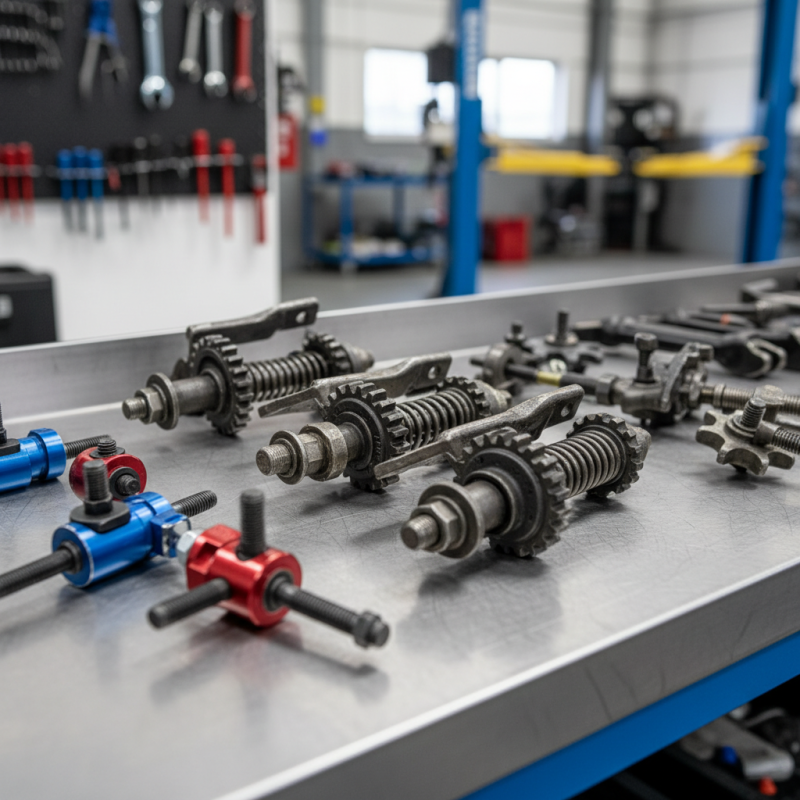
Top Tips for Choosing the Right Brake Adjusters for Your Needs?

Understanding the Different Types of Brake Adjusters Available

When selecting brake adjusters, it’s crucial to understand the various types available. Brake adjusters can generally be classified into two main categories: manual and automatic. Manual adjusters require hands-on calibration, allowing for precise tuning based on specific vehicle needs or conditions. According to a recent industry report, 45% of automotive professionals prefer manual brakes for custom setups. This offers improved performance for specialized vehicles.

Automatic adjusters, on the other hand, self-regulate based on wear and usage. They are especially useful for everyday vehicles, providing convenience and reliability. Studies show that vehicles equipped with automatic adjusters can enhance brake performance by up to 30%. However, they may lack the fine-tuning capabilities required for high-performance setups.

It is essential to consider both options carefully. While some drivers may prefer the independence of manual adjustments, others might opt for the simplicity of automatic systems. Both types have pros and cons that require thoughtful consideration. Determining your needs is as important as understanding these adjustments themselves. Make sure to evaluate your driving habits and the conditions in which you'll be using your vehicle.

Evaluating the Compatibility of Brake Adjusters with Your Vehicle

Choosing the right brake adjusters requires careful consideration of compatibility with your vehicle. Not all brake adjusters fit every model. Each vehicle has specific requirements based on its braking system design. Therefore, checking your vehicle’s manual is essential for accurate details about the recommended types.

When evaluating brake adjusters, pay attention to their dimensions and adjustment mechanism. Many adjusters come in various sizes. Measuring the existing components can help ensure a proper fit. It’s advisable to compare the old adjusters with potential replacements. Don’t rush this process; misunderstandings can lead to improper installation.

Design specifications vary significantly. Even if an adjuster seems similar, small differences can affect performance and safety. Always seek guidance from professionals if unsure. Their experience can clarify ambiguous aspects. Finding the right fit might take time, but it’s crucial for your vehicle’s safety and functionality.

Assessing Quality and Durability of Brake Adjusters on the Market

When choosing brake adjusters, assessing their quality and durability is crucial. The performance and longevity of brake adjusters can directly affect vehicle safety. According to recent industry reports, nearly 30% of brake failures stem from improper adjuster maintenance. Durable brake adjusters can withstand high temperatures and heavy loads, making them vital for safe vehicle operation.

Opting for high-quality materials is essential. Look for adjusters made from premium steel or aluminum alloys. These materials offer better resistance to wear and corrosion. Testing from independent labs shows that top-grade adjusters last up to 50% longer than standard models. Ensure that the adjusters you choose can meet or exceed industry standards.

Tip: Always review user feedback before making a purchase. Real-world experiences can reveal potential weaknesses not covered in specifications. Durability tests often don't reflect long-term use in varied conditions. Some users report that even well-rated products fail prematurely under specific circumstances. Make sure your choice considers real-world applications to ensure reliability on the road.

Top Tips for Choosing the Right Brake Adjusters for Your Needs

Type of Brake Adjuster Material Quality Durability Rating (out of 5) Price Range ($) Recommended Application
Standard Adjuster Steel 4.0 10 - 20 Basic Vehicle Models
Heavy-Duty Adjuster Aluminum 4.5 25 - 50 Trucks and SUVs
Adjustable Brake Adjuster Composite 4.2 15 - 30 Performance Vehicles
Automated Brake Adjuster Stainless Steel 4.7 40 - 80 High-End Models
Budget Brake Adjuster Plastic 3.5 5 - 15 Economical Use

Considering Cost vs. Performance in Brake Adjuster Selection

Choosing the right brake adjusters can be tricky. Balancing cost and performance is crucial. High-performance adjusters often come at a premium price. However, cheaper options might sacrifice quality and safety. You need to assess your specific driving needs. Is your vehicle used for casual driving, or do you require something more robust for heavy-duty use?

Analyzing the trade-offs is important. Sometimes, lower-priced adjusters do not last as long as their more expensive counterparts. This can lead to more frequent replacements, costing you more in the long run. Performance matters, particularly in demanding conditions. Inadequate braking can pose risks. Therefore, investing in quality can prevent future headaches.

In the quest for the right fit, do your research. Seek expert reviews and user testimonials. Look for adjusters that have proven results in similar vehicles. Don't rush the process; this decision impacts your safety and vehicle performance. Make informed choices, weighing both immediate expenses and long-term benefits.

Checking Reviews and Recommendations for Brake Adjusters Before Purchase

When selecting brake adjusters, reviews are invaluable. They provide insights into performance and durability. Look for knowledgeable users sharing their experiences. Genuine feedback can highlight potential issues that specs might overlook. Seek out forums where mechanics discuss different brands. Their expertise can guide your choice.

Consider the materials used in brake adjusters. High-quality components boost reliability and longevity. Read about how certain features benefit users during installation and maintenance. Images accompanying reviews can give you a clearer picture of product quality. Pay attention to negative feedback, as it reveals common problems. A few complaints about ease of use or durability should raise a red flag.

Lastly, don't rely solely on a single source. Cross-reference reviews from various places to form a complete view. Check the credibility of reviewers. Are they experienced professionals or casual users? This distinction matters. Engage with the community to gather diverse perspectives. Your brake adjuster decision should be as informed as possible. A well-researched purchase leads to safer driving experiences.

FAQS

: What are the main types of brake adjusters?

: Brake adjusters are mainly classified into manual and automatic types.

How do manual brake adjusters work?

Manual adjusters require hands-on calibration for precise tuning based on vehicle needs.

Why do some professionals prefer manual brake adjusters?

Many professionals like manual brakes for custom setups, offering better performance for specialized vehicles.

What are the advantages of automatic brake adjusters?

Automatic adjusters self-regulate based on wear, enhancing convenience and reliability for everyday vehicles.

Can automatic adjusters improve brake performance?

Yes, studies indicate that vehicles with automatic adjusters can enhance performance by up to 30%.

What should I look for in brake adjuster reviews?

Reviews should provide insights into performance, durability, and user experiences.

Why is it important to check multiple review sources?

Cross-referencing reviews offers a more balanced view and reveals diverse perspectives.

How can materials affect brake adjuster performance?

High-quality materials can boost reliability and longevity, impacting overall performance.

What common issues should I watch for in reviews?

Pay attention to negative feedback regarding ease of use or durability as red flags.

How can community engagement influence my decision?

Engaging with knowledgeable users can deepen your understanding and lead to a better-informed purchase.

Conclusion

When selecting the right brake adjusters, it is essential to understand the various types available and how they fit with your vehicle’s specifications. Evaluating compatibility ensures optimal functionality, while assessing quality and durability can help avoid frequent replacements.

Furthermore, cost should be weighed against performance, as an affordable option may not always deliver the best results. Finally, checking reviews and recommendations from other users can provide valuable insights into the reliability of the brake adjusters you are considering. By carefully considering these aspects, you can make an informed choice that enhances your vehicle's braking system.


Charlotte

Charlotte

Charlotte is a seasoned marketing professional with a deep understanding of the company's portfolio and a passion for elevating its presence in the market. With a keen eye for detail and a commitment to excellence, she ensures that our professional blog is regularly updated with insightful articles......