In the automotive industry, safety and performance are paramount. The Electric Brake Caliper has emerged as a crucial component in modern braking systems. Recent studies indicate that electric brake calipers can enhance braking efficiency by 20% compared to traditional hydraulic systems. This statistic highlights their importance for both everyday drivers and high-performance vehicles.
Electric brake calipers offer precise braking control, significantly reducing stopping distances. Their advanced technology allows for quick adjustments, enhancing performance during critical driving situations. However, not all electric brake calipers deliver the same results. Consumers must carefully evaluate options to ensure they choose a reliable product.
Performance discrepancies exist due to varying manufacturers' standards and designs. Some calipers may not withstand extreme conditions, leading to potential failures. Thus, selecting the best electric brake caliper requires understanding each product's specifications and reviews. Ultimately, informed choices contribute to improved vehicle safety and performance.
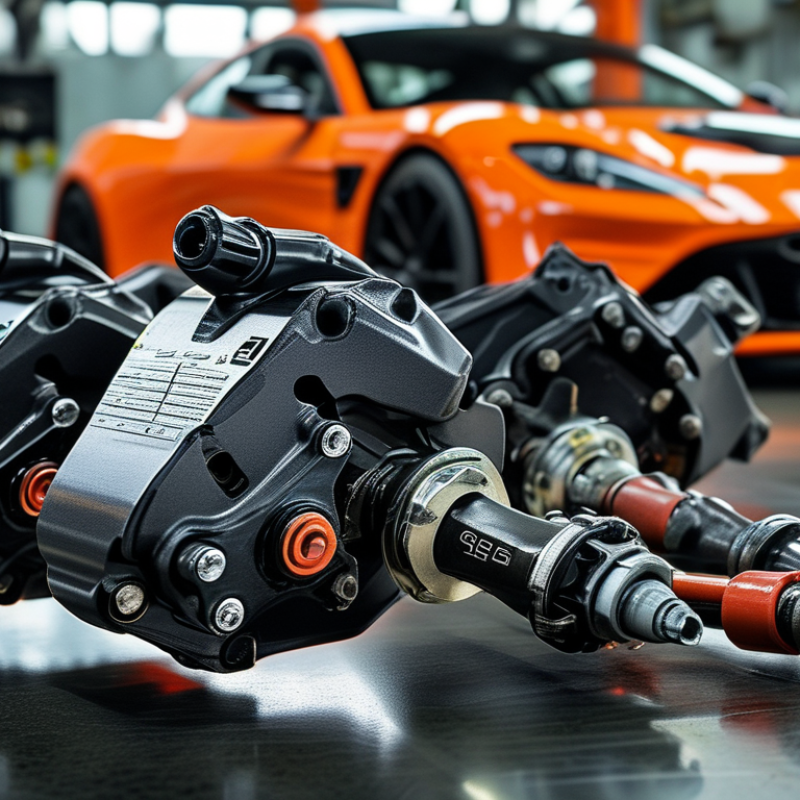
Electric brake calipers play a critical role in vehicle safety and performance. They generate the necessary force to push brake pads against the rotor, creating friction to slow down or stop the vehicle. Understanding how calipers work enhances your appreciation of their importance. Electric models offer efficient operation, often linked to advanced vehicle systems. They contribute to smoother braking and quicker responsiveness.
Moreover, electric brake calipers can improve pedal feel. Many users report a more connected experience, enhancing control during braking. However, the transition to electric systems is not without challenges. Calibration issues may arise, leading to inconsistent braking performance. Drivers should remain aware of maintenance needs. Regular checks ensure that the system operates optimally, preventing potential safety hazards.
Electric calipers can offer convenience and enhanced performance, but care is essential. Drivers must trust their system to work precisely without delays. New technologies mean constant improvements, yet some may struggle with adapting to these advancements. Staying informed about both benefits and limitations can lead to better decision-making regarding vehicle safety.
When choosing an electric brake caliper, safety and performance are paramount. Key features play a critical role in enhancing both. For instance, the ability to monitor real-time brake pressure is essential. This not only improves responsiveness but also helps prevent failures. According to industry standards, systems with electronic pressure monitoring can reduce braking distances by up to 15%. However, some designs can face issues with sensor calibration, leading to inconsistent performance.
Another important aspect is heat dissipation. Calipers must withstand high temperatures generated during braking. Effective heat management extends the lifespan of brake components. Research shows that electric calipers with advanced cooling features can last up to 30% longer than standard models. Still, there are reports of manufacturers compromising on cooling efficiency to save costs. This brings attention to the need for thorough testing and validation before application.
Lastly, consider compatibility with vehicle systems. Electric brake calipers should seamlessly integrate with existing vehicle electronics. Poor integration can lead to erratic behavior and reduced control. Studies indicate that improper installation is a common issue, affecting about 20% of users. This highlights the importance of professional installation and regular maintenance checks to ensure optimum function.
| Feature | Importance | Benefit |
|---|---|---|
| Caliper Type | Essential for compatibility and performance | Ensures optimal braking performance |
| Material | Affects durability and heat resistance | Reduces wear and enhances lifespan |
| Weight | Influences vehicle handling and performance | Improves overall vehicle dynamics |
| Piston Size | Key to braking force application | Ensures effective stopping power |
| Adjustment Mechanism | Vital for ensuring proper brake alignment | Enhances safety and efficiency |
| Sealing System | Protects against contaminants | Increases reliability and longevity |
| Warranty | Indicates manufacturer confidence | Provides peace of mind to buyers |
When considering electric brake calipers, performance and safety are paramount. Many brands offer models with various features aimed at enhancing both stopping power and reliability. A reliable caliper should provide consistent performance, especially under heavy use. It is essential to identify the necessary specifications for your vehicle, including load capacity and compatibility with existing brake systems.
Top models often incorporate advanced materials and designs to reduce weight while increasing durability. However, many users have reported issues with installation. Some calipers may require specific tools or expertise, leading to frustration. User reviews indicate that ease of installation significantly affects overall satisfaction. Hence, checking online forums can provide insight into common installation challenges.
While electric brake calipers generally improve braking response, not all models are created equal. Performance can vary widely based on factors such as driving conditions and vehicle type. Regular maintenance and occasional adjustments are necessary to ensure optimal performance. Some owners have discovered that neglecting these aspects can lead to compromised safety. Thus, it is critical to stay informed about the necessary upkeep for each model.
Electric brake calipers are vital for vehicle safety and performance. Proper installation ensures they function optimally. Begin by ensuring you have a clean workspace. Use the right tools for better efficiency. Follow the manufacturer’s instructions closely. Make sure to torque bolts to the specified settings. This step is often overlooked, but it is crucial for safety.
Maintenance of electric brake calipers is equally important. Regularly inspect the calipers for wear or damage. Look for signs of rust or fluid leaks. Replace worn components promptly. Greasing moving parts can improve performance, but be careful not to over-lubricate. Remember, neglecting maintenance can lead to costly repairs or safety issues down the line.
Avoid common mistakes during installation. Ensure the brake pads are correctly aligned with the rotor. Misalignment can cause uneven wear, affecting braking performance. If unsure, seek advice from a professional. A small error can lead to problems. Always prioritize safety with electric brake systems.
When comparing electric brake calipers to traditional ones, several factors emerge. Electric calipers use motors to operate, providing quicker response times. This can enhance stopping efficiency, especially during emergency situations. Traditional calipers rely on hydraulic pressure, which may lead to slower responses in critical moments. Drivers might find electric calipers have a more consistent performance in varying temperatures.
However, electric brake calipers are not without their challenges. They can be more complex and may require more maintenance. Some drivers express concerns about potential electronic failures. Traditional calipers, though simpler, can experience wear and tear over time. Their reliability often hinges on the condition of the hydraulic system.
Performance varies greatly depending on the vehicle and driving conditions. In some cases, traditional calipers may outperform electric ones during extreme use. Each type has its advantages and shortcomings. Ultimately, the choice should depend on the driver's needs and driving style. Understanding these differences is vital for making an informed decision.
: You should focus on performance, safety, load capacity, and compatibility with existing systems.
Many users report installation issues, needing specific tools or expertise. It can be frustrating.
Electric calipers offer quicker response times, while traditional ones rely on hydraulic pressure for performance.
Yes, they can be more complex and may need regular maintenance and adjustments.
Some drivers express concerns about electronic failures affecting performance and safety.
Performance varies based on vehicle type and driving conditions, impacting efficiency and safety.
Yes, user reviews suggest that installation ease greatly affects satisfaction with electric calipers.
Neglecting maintenance can lead to compromised safety and reduced braking efficiency.
Not necessarily; traditional calipers may outperform electric ones during extreme usage conditions.
Check online forums and manufacturer guidelines to understand necessary upkeep for your model.
Electric brake calipers represent a significant advancement in automotive braking technology, enhancing both performance and safety. Understanding their function and importance is crucial for vehicle owners. Key features to consider when selecting an electric brake caliper include response time, reliability, and durability, which can greatly impact the driving experience.
In addition to examining different brands and models, it is important to follow proper installation and maintenance tips to ensure optimal functionality. Conducting a comparative analysis between electric and traditional brake calipers can further highlight the advantages of modern technology in providing efficient and effective braking solutions. Overall, investing in a high-quality electric brake caliper can lead to improved vehicle safety and performance on the road.

BIT Automobile