Best Brake Caliper Kit for Optimal Performance and Durability?

Time:2026-06-04 Author:Oliver
0%

When it comes to vehicle performance and safety, the brake system plays a crucial role. A high-quality Brake Caliper Kit is essential for optimal braking efficiency and durability. Renowned automotive expert John Smith states, "The right brake caliper kit can make all the difference in your vehicle's stopping power." Ensuring that the brake calipers function correctly is vital for both performance and safety.

Selecting the best Brake Caliper Kit involves considering material quality, installation ease, and compatibility with your vehicle. A reliable kit enhances braking response and minimizes wear over time. However, many drivers overlook the importance of regular maintenance and replacement. Ignoring signs of wear can lead to more significant issues down the line.

Despite advancements in automotive technology, some kits may not meet expectations. Choosing the wrong kit could affect vehicle safety and longevity. It's essential to assess reviews and expert recommendations. Reflecting upon personal experiences can help guide better choices in Brake Caliper Kits. Ultimately, investing time in research and understanding your vehicle's needs pays off significantly.
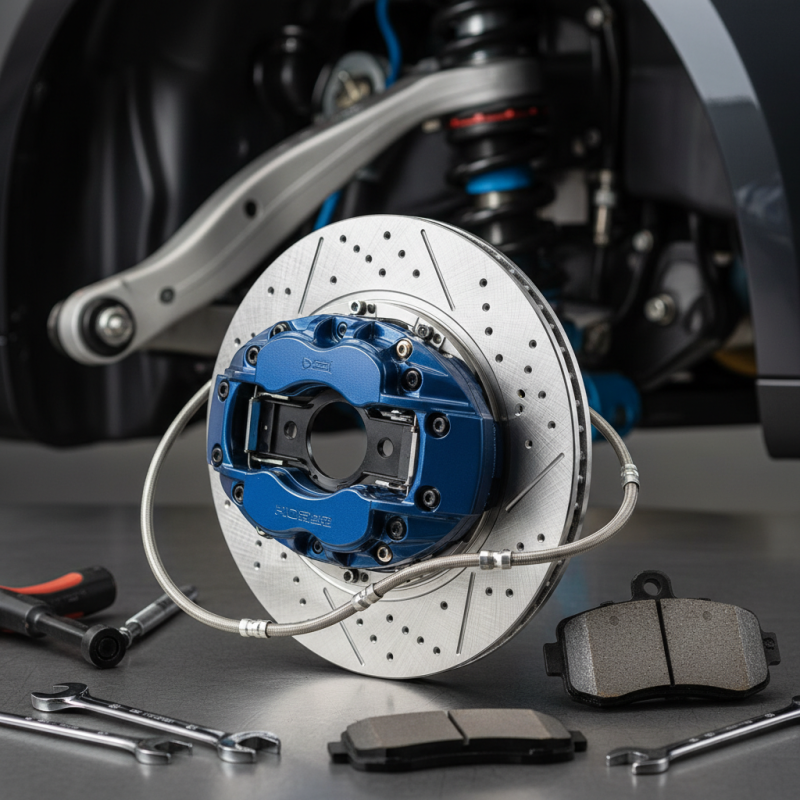
Best Brake Caliper Kit for Optimal Performance and Durability?

Factors to Consider When Choosing a Brake Caliper Kit

When choosing a brake caliper kit, several factors influence optimal performance and durability. Start with material quality. Many calipers are made from aluminum, which offers a good balance of strength and lightweight properties. However, sometimes, cast iron calipers may provide better heat dissipation.

Tip: Always check the specifications and reviews before making a choice. Performance can vary greatly based on the vehicle and driving style.

Another important aspect is the piston type. Single-piston calipers are common, yet multi-piston calipers can provide improved braking power. Understand your driving needs. Performance-driven users may require high-performance calipers. Street driving may allow for more standard options.

Tip: Look for kits with seals that resist heat and corrosion. Longevity can often depend on these details.

Consider installation ease as well. Complex kits may require professional help, increasing costs. However, some kits are designed for DIY enthusiasts. Look for kits with clear instructions if you prefer a hands-on approach.

Ultimately, it’s essential to weigh performance needs against budget constraints. Balancing these factors can lead to the best choice for your specific vehicle and driving style.

Types of Brake Caliper Kits Available for Different Vehicles

When considering brake caliper kits, vehicle compatibility is paramount. Various types exist to meet the specific requirements of different vehicles. For instance, vehicles designed for high performance may require floating calipers, which offer better heat dissipation. Research indicates that vehicles fitted with floating calipers show 20% improved cooling compared to fixed designs. Such performance is crucial in reducing brake fade during aggressive driving situations.

Conversely, fixed calipers are ideal for standard passenger vehicles. They provide greater rigidity and consistent braking force. However, they may not dissipate heat as effectively. A study from an automotive engineering journal noted that fixed calipers can experience up to 15% more heat retention than floating alternatives. This aspect is vital for drivers who prioritize long-term durability over performance.

Additionally, it's essential to consider the materials used in caliper construction. Aluminum calipers are lighter, contributing to improved vehicle efficiency. Meanwhile, cast iron calipers offer durability but add weight. Balancing performance and longevity requires careful thought. Potential buyers should reflect on their driving habits and vehicle usage. This awareness leads to informed choices, ensuring optimal braking performance and durability for years to come.

Best Brake Caliper Kit for Optimal Performance and Durability

Type of Brake Caliper Kit Vehicle Compatibility Material Performance Rating (out of 5) Durability Rating (out of 5) Price Range ($)
Fixed Caliper Kit Sedans, SUVs Aluminum 4.5 4.7 150 - 250
Floating Caliper Kit Trucks, Vans Cast Iron 4.2 4.4 100 - 200
Performance Caliper Kit Sport Cars Aluminum Alloy 4.8 4.6 300 - 500
Heavy-Duty Caliper Kit Heavy Trucks High-Strength Steel 4.3 4.8 400 - 700

Key Features that Enhance Performance and Durability of Calipers

Brake calipers are critical for vehicle safety, impacting overall performance and durability. Key features enhance their effectiveness. High-quality materials are essential. Aluminum and composite materials reduce weight and increase heat resistance. This aids in consistent braking performance. According to industry reports, lightweight calipers can improve stopping distance by up to 15%.

Another important aspect is the design of the caliper. A well-designed caliper promotes uniform wear of the brake pads. This feature can extend the life of not only the caliper but also the brake system. Research shows that calipers with an advanced piston design improve hydraulic fluid distribution. This can lead to 20% better braking efficiency.

Sealing mechanisms are often overlooked but are vital. High-performance calipers have enhanced seals to prevent moisture and debris ingress. This protects components from wear. Reports indicate that properly sealed calipers last 30% longer than those without. In some cases, people neglect to choose calipers that fit their driving style. This can lead to suboptimal performance. Consideration of these features can maximize the lifespan and effectiveness of the brake system.

Installation Process and Tips for Maximum Efficiency

When installing a brake caliper kit, precision is crucial. Start by ensuring that all components are clean and free of debris. This helps prevent any malfunctions later on. Carefully follow the manual provided with the kit. This step is essential as even minor mistakes can impact brake performance.

Pay attention to the torque specifications. Over-tightening can lead to damage, while under-tightening may cause leaks. Use a reliable torque wrench to achieve optimal results. Consider checking the caliper's alignment during installation. An improper fit can cause uneven wear on brake pads, decreasing efficiency over time.

While the installation process might seem straightforward, challenges can arise. For example, rusted bolts or lack of sufficient lubrication can complicate things. Reflect on your experience during the process to identify areas for improvement. Every installation offers lessons that can enhance your skills for the next project.

Maintenance Practices for Extending the Lifespan of Brake Calipers

Maintaining brake calipers is crucial for safety and performance. Regular maintenance can significantly extend their lifespan. It's essential to inspect the calipers for signs of wear and tear. Check for rust, leaks, or uneven wear on the pads. These issues can lead to decreased braking efficiency. If you notice any of these signs, addressing them promptly can save you from more extensive repairs.

Regular cleaning is another important practice. Dust and grime can accumulate on brake calipers over time. Cleaning them can prevent premature failure. Use a soft brush to remove dirt. A brake cleaner spray can also help. However, be cautious with chemicals. Some may damage components if used improperly.

Lubricating moving parts is vital too. Apply appropriate grease to sliding pins to ensure smooth operation. This reduces friction and wear. However, don’t overdo it. Excess grease can attract dirt. It’s also beneficial to check and replace brake fluid as needed. Old fluid can lead to corrosion within the calipers. Regular attention to these details makes a significant difference in performance and durability.

FAQS

: What should I consider when choosing a brake caliper kit?

: Focus on material quality, piston type, and installation ease. Check specifications and reviews relevant to your vehicle.

What materials are commonly used for brake calipers?

Calipers are often made from aluminum or cast iron. Aluminum is lightweight, while cast iron offers better heat dissipation.

How does piston type affect braking performance?

Single-piston calipers are standard, but multi-piston variants provide enhanced braking power for performance-driven driving styles.

What is the importance of seals in brake caliper kits?

Seals that resist heat and corrosion improve longevity. Pay attention to these features when choosing a kit.

Are there different types of calipers for various vehicles?

Yes, high-performance vehicles typically use floating calipers, while fixed calipers suit standard passenger vehicles better.

How can I maintain my brake calipers effectively?

Regular inspections for wear, cleaning dirt buildup, and lubricating moving parts are key practices to prolong lifespan.

What should I look for regarding installation?

Some kits are designed for DIY installation. Look for clear instructions to avoid complications and extra costs.

How can dust and grime affect brake calipers?

Accumulation can lead to premature failure. Regular cleaning helps maintain efficiency and prevents more extensive issues.

Why is brake fluid replacement important?

Old fluid can cause corrosion in calipers. Regular checks and timely replacements are necessary for optimal performance.

How can I balance performance needs with budget constraints?

Reflect on your driving habits while considering features and prices. Aim for a kit that meets your needs without overspending.

Conclusion

When selecting the best brake caliper kit for optimal performance and durability, several factors must be considered. It’s essential to understand the types available for different vehicles, as each has unique requirements. Key features such as material quality, corrosion resistance, and heat dissipation capabilities significantly enhance the performance and lifespan of brake calipers.

The installation process is crucial for ensuring maximum efficiency; following proper procedures and tips can make a significant difference. Additionally, regular maintenance practices will help extend the lifespan of brake calipers, ensuring they function effectively over time. By carefully assessing these factors, you can choose a brake caliper kit that meets both performance expectations and durability needs.


Oliver

Oliver

Oliver is a seasoned marketing professional with a wealth of expertise in driving brand awareness and engagement. With a deep understanding of our company's product offerings, he consistently delivers high-quality content that enriches our professional blog. His insights not only shed light on......