What Is a Back Brake Caliper and How Does It Work?

Time:2026-10-02 Author:Aria
0%

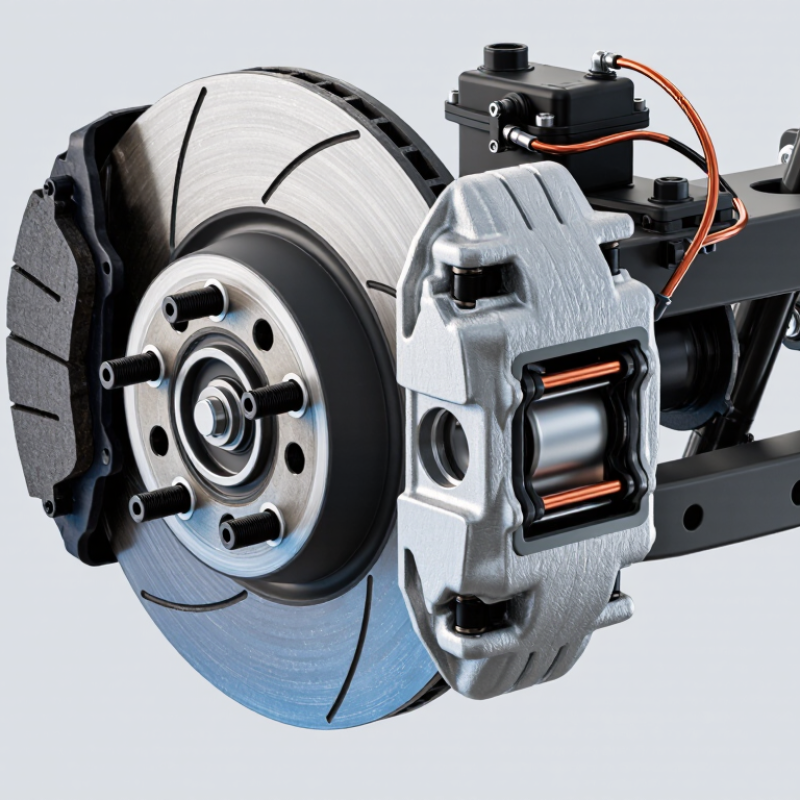
A Back Brake Caliper is a key part of a vehicle’s braking system. It presses the brake pads against a rotating disc, creating the friction needed to slow the rear wheels. The caliper usually sits over the brake rotor, where its metal body remains exposed to heat, dust, water, and road debris. Simple in principle. Yet its performance depends on accurate hydraulic pressure, smooth movement, and proper pad contact.

When you press the brake pedal, fluid pressure travels through the brake lines. This pressure pushes a piston inside the caliper. The piston moves one brake pad toward the rotor, while the caliper body helps draw the opposite pad inward. Both pads then grip the spinning disc. Some rear systems also include a mechanical parking-brake mechanism or an electric actuator. That design can change the inspection and repair process.

Practical checks should examine uneven pad wear, fluid leaks, damaged rubber seals, and seized guide pins. A sticking caliper may leave one pad rubbing against the rotor, producing heat, noise, or a burning smell. Do not ignore these signs. However, not every rear-brake problem comes from the caliper. Worn hoses, warped rotors, faulty actuators, or poor adjustment can create similar symptoms. Reliable diagnosis requires the vehicle’s service manual, suitable tools, and careful testing. Brake designs vary between models, so general advice has limits. This guide explains the Back Brake Caliper clearly, while recognizing that real workshop conditions can expose details a basic diagram misses.
What Is a Back Brake Caliper and How Does It Work?

Definition and Role of a Back Brake Caliper

A back brake caliper is the mechanical housing that presses brake pads against a rear brake rotor. It sits beside the rotor and connects to the vehicle’s hydraulic braking system. Its main role is to convert hydraulic pressure into controlled clamping force. When the driver presses the brake pedal, brake fluid moves through the lines. This pressure pushes one or more pistons inside the caliper. The pistons drive the pads against both rotor surfaces. Friction then reduces wheel speed and helps keep the vehicle stable during braking. Rear calipers also support proper brake balance between the front and rear axles. Some designs include a mechanism for the parking brake.

During a service inspection, technicians check pad thickness, piston movement, sliding pins, and fluid leakage. A healthy caliper releases the pads slightly after pedal pressure disappears. That small movement prevents constant rubbing, heat, and unnecessary wear. Uneven pad wear can indicate a seized piston or restricted sliding hardware. A damaged dust boot may allow moisture and grit to enter. Rust can then develop around the piston surface. The explanation sounds simple, but real faults rarely stay simple. A visual check may miss internal corrosion. For that reason, brake behavior, rotor temperature, and pad wear patterns should be considered together. Soft pedal feel can involve the hydraulic system, not only the caliper. Careful diagnosis matters because rear braking affects stopping distance and vehicle control.

Main Components Inside a Back Brake Caliper

What Is a Back Brake Caliper and How Does It Work?

Main Components Inside a Back Brake Caliper

A back brake caliper is the clamp that converts hydraulic pressure into stopping force. When you press the pedal, brake fluid pushes the caliper piston outward. The piston presses the inner brake pad against the rotor. On a sliding caliper, guide pins let the body move inward, pulling the outer pad onto the rotor. Simple movement. Precise contact.

Inside the assembly, the piston seal controls pressure and retracts the piston slightly after braking. A dust boot protects the piston from water, grit, and road salt. Brake pads sit in abutment clips, which reduce rattling and help them release evenly. The caliper body contains fluid passages, while a bleeder screw allows trapped air to escape. Many rear calipers also include a mechanical parking-brake lever or electric actuator. That extra mechanism makes inspection more demanding.

NHTSA brake-safety materials cite brake-related problems in roughly 22% of crashes, showing why these small parts deserve serious attention. A sticking guide pin can create a hot outer pad and uneven rotor wear. A hardened seal can cause drag. The caliper may look clean but still fail internally. This is where routine inspection can be imperfect: visual checks do not reveal every restriction. Technicians should compare pad wear, check piston movement, inspect boots, and measure rotor temperature when symptoms remain unclear.

What Is a Back Brake Caliper and How Does It Work? – Main Components Inside a Back Brake Caliper
Component or Dimension What It Is How It Works Common Materials or Characteristics Typical Inspection Points
Caliper Housing The main body that supports and encloses the internal braking components. It holds the piston, seals, brake pads, and mounting hardware in the correct position while resisting hydraulic pressure. Usually made from cast iron or aluminum alloy. It must be rigid and resistant to heat and corrosion. Check for cracks, corrosion, fluid leakage, damaged threads, and signs of distortion.
Brake Piston A cylindrical component located inside the caliper bore. Hydraulic pressure from the brake fluid pushes the piston outward, forcing the inner brake pad against the rotor. Commonly steel, aluminum, or a corrosion-resistant coated material, depending on the caliper design. Look for corrosion, scoring, sticking, uneven movement, or fluid bypass around the piston seal.
Piston Seal An elastomeric seal fitted in a groove around the piston bore. It prevents brake fluid from escaping and helps retract the piston slightly when hydraulic pressure is released. Typically made from brake-fluid-resistant synthetic rubber designed for high-temperature service. Inspect for hardening, tearing, swelling, leakage, or contamination by incompatible fluids.
Dust Boot A protective flexible cover positioned around the exposed portion of the piston. It keeps water, dirt, and road debris away from the piston and bore. Usually heat-resistant rubber or a similar elastomer. Check for splits, missing sections, improper seating, and accumulated debris underneath the boot.
Brake Pads Friction components positioned on both sides of the brake rotor. When clamped against the rotating rotor, their friction converts vehicle motion into heat and slows the wheel. Friction material is bonded or molded to a steel backing plate. Formulations may be organic, semi-metallic, or ceramic-based. Measure remaining friction material, check for cracks or contamination, and compare inner and outer pad wear.
Pad Abutment Clips Small metal clips or shims that guide and support the brake pads in the caliper bracket. They help maintain correct pad alignment and allow controlled sliding as the pads wear. Usually spring steel or stainless steel with corrosion-resistant treatment. Check for rust, deformation, looseness, missing parts, or restricted pad movement.
Caliper Bracket A structural support that attaches to the suspension or axle assembly and guides the caliper or pads. It transfers braking forces to the vehicle structure and allows the caliper or pad carrier to remain aligned with the rotor. Commonly made from cast or forged steel, although designs vary by vehicle. Inspect mounting bolts, guide surfaces, corrosion, cracks, and alignment with the rotor.
Guide Pins and Bushings Sliding components used on many floating or sliding rear calipers. They allow the caliper body to move laterally so both brake pads apply force to the rotor. Guide pins are generally steel; bushings and boots are commonly rubber or synthetic elastomer. Check for free movement, adequate compatible lubricant, corrosion, damaged boots, and binding.
Hydraulic Inlet Port The threaded connection where the flexible brake hose or hydraulic line attaches to the caliper. It delivers pressurized brake fluid from the master cylinder through the brake system to the piston. Machined metal passage with a threaded connection and sealing interface. Look for stripped threads, damaged sealing surfaces, fluid seepage, and improperly routed hoses.
Bleeder Screw A small valve fitted to the caliper, normally located near the highest point of the hydraulic chamber. It is opened during bleeding to release trapped air and old fluid from the caliper. Usually steel or another corrosion-resistant metal with a tapered sealing seat. Check that it opens correctly, seals when closed, and is not rounded, blocked, or leaking.
Parking Brake Mechanism A mechanical or electromechanical mechanism found on many rear calipers. It applies the rear brake independently of normal hydraulic braking to hold the parked vehicle. Some systems use a lever and cable, while others use an electric actuator. May include a lever, shaft, spring, screw mechanism, or electric motor, depending on the vehicle design. Check for proper engagement and release, seized levers, damaged cables, actuator faults, or unusual noise.
Brake Rotor Interface The working area where the brake pads contact the rotating disc or rotor. The caliper positions the pads on opposite sides of the rotor so clamping force produces braking torque at the wheel. The rotor is generally cast iron or another application-specific friction material; it is separate from the caliper. Check for scoring, blue heat marks, uneven thickness, excessive runout, cracks, and corrosion on unused surfaces.
Operating Sequence The complete process that converts pedal input into rear-wheel braking force. Pedal force creates hydraulic pressure; the pressure moves the piston; the piston presses the pad against the rotor; the caliper or bracket transfers equal clamping force to the opposite pad; releasing the pedal reduces pressure and allows slight pad clearance. Operation depends on hydraulic integrity, correct pad alignment, free guide movement, and adequate friction surfaces. Watch for pulling, uneven pad wear, vibration, overheating, fluid loss, a soft pedal, or a wheel that remains difficult to rotate.

How Hydraulic Pressure Activates the Caliper

What Is a Back Brake Caliper and How Does It Work?

A back brake caliper is the clamp that presses brake pads against a rotating disc. It receives force through hydraulic pressure, not a direct cable in most modern systems. When you press the brake pedal, the master cylinder pushes brake fluid through sealed lines. The fluid carries pressure to a piston inside the caliper. Pressure acts across the piston’s surface, creating force. That force moves the inner pad toward the disc. A sliding caliper then pulls its outer section inward, squeezing both pads around the rotor. The friction changes motion into heat.

Small details matter. Clean fluid moves pressure efficiently, while air can make the pedal feel soft. During brake inspections, technicians should check piston movement, pad wear, leaks, and the disc surface. Uneven pad wear may suggest a sticking guide pin or piston. The rear caliper may also include a mechanical parking-brake mechanism. If that mechanism does not release fully, the wheel can remain warm after driving. I have seen this fault mistaken for normal brake dust. It was not.

Tips: Press the pedal slowly during testing. Feel for firmness and consistent travel. Never ignore wetness near the caliper or hose. Measure pad thickness on both sides, not just the visible outer pad. A quick visual check can miss hidden wear. If bleeding is needed, use the correct fluid and keep the reservoir clean. Hydraulic systems seem simple, but small contamination can cause expensive trouble.

How Brake Pads Create Friction and Stop the Wheel

What Is a Back Brake Caliper and How Does It Work?

A back brake caliper squeezes the brake pads against a rotating disc. Hydraulic pressure moves one or more pistons inside the caliper. The pads then clamp both sides of the disc. Friction converts wheel motion into heat. That heat must escape through the disc, pads, and surrounding air.

Brake pads do not simply “grab” the disc. Their friction material contains fibers, binders, and wear-resistant particles. Under pressure, tiny contact points form across the disc surface. SAE J866 classifies brake friction materials by measured friction levels, showing why pad compounds can feel different. A higher friction value may increase bite, but it can also raise noise and temperature. Real braking is less tidy.

The U.S. Federal Motor Vehicle Safety Standard 135 includes a 100 km/h effectiveness test. For certain passenger vehicles, the maximum stopping distance is 70 metres. This figure reflects the complete brake system, not the caliper alone. ABS control, tire grip, vehicle load, and road conditions also matter. One overlooked detail is pad taper. Uneven wear can reduce contact and create a soft pedal feel.

Tips: Check pad thickness through the wheel openings. Look for deep grooves, blue heat marks, or uneven pad edges. A thin outer pad may indicate a sticking piston or slide pin. Measure the disc against its service limit, not appearance alone. A visual check helps, but it cannot replace a proper inspection.

Common Types, Wear Signs, and Maintenance Needs

What Is a Back Brake Caliper and How Does It Work?

A back brake caliper squeezes brake pads against a rotating disc. Hydraulic pressure moves a piston when you press the brake pedal. The resulting friction slows the rear wheels. Common designs include sliding calipers, fixed calipers, and units with an integrated parking-brake mechanism. Sliding calipers move slightly on guide pins, while fixed calipers hold their pistons more rigidly. Each design needs correct pad movement and even pressure.

Wear signs are often easy to overlook. A vehicle may pull slightly, feel sluggish, or produce a hot-metal smell after a short drive. One rear wheel can feel much warmer than the other. Look for uneven pad thickness, blue discoloration on the disc, cracked dust boots, or brake fluid around the piston. A scraping sound matters. However, noise alone does not identify the fault. I once trusted a visual inspection that missed a sticking guide pin, so a hands-on check is wiser.

Maintenance starts with inspecting the caliper during every brake service. Clean corrosion from contact points, and use compatible high-temperature lubricant on guide pins. Never lubricate the pad friction surface or disc. Check piston movement, rubber seals, mounting bolts, and the parking-brake mechanism. Replace damaged seals or a seized caliper promptly. After hydraulic work, bleed the system and test pedal firmness. Follow the vehicle’s service specifications, because torque values and adjustment methods differ. Recheck temperatures after a short road test.

FAQS

What is a rear brake caliper?

It is a clamp that presses brake pads against a rotating disc. It converts hydraulic pressure into stopping force.

How does hydraulic pressure move the caliper piston?

Pressing the pedal moves fluid from the master cylinder. That pressure pushes the piston outward.

How do brake pads stop the wheel?

The pads squeeze both sides of the disc. Friction changes motion into heat.Heat builds quickly.

What parts are found inside a rear caliper?

Common parts include the piston, seal, dust boot, fluid passages, and bleeder screw. Sliding designs also use guide pins.

Why does the piston seal matter?

The seal controls fluid pressure and retracts the piston slightly after braking. A hardened seal can cause pad drag.

What can a damaged dust boot cause?

A torn boot allows water, grit, and road salt to reach the piston. Corrosion may then restrict piston movement.

Why might brake pads wear unevenly?

A sticking piston, guide pin, or parking-brake mechanism may hold one pad against the disc. Check both inner and outer pads.

Can a visual inspection find every caliper problem?

No. The caliper may look clean while internal movement remains restricted. Compare pad wear and check wheel temperature.Looks can deceive.

What symptoms suggest a rear caliper problem?

Watch for uneven pad thickness, a soft pedal, unusual heat, brake noise, or wetness near the caliper. These signs need proper inspection.

How should a rear brake caliper be checked?

Inspect the boot, piston, guide pins, pads, disc surface, and fluid connections. Test movement carefully and measure parts against service limits.A quick check is imperfect.

Conclusion

A Back Brake Caliper is a key component of a vehicle’s braking system, positioned near the rear wheel to convert hydraulic pressure into stopping force. Its main parts typically include a caliper body, piston, seals, sliding pins, and brake pads. When the driver presses the brake pedal, fluid pressure travels through the brake lines and pushes the piston outward. This movement causes the caliper to press the brake pads against the rotating brake disc.

The friction created between the pads and disc slows the wheel and helps bring the vehicle to a controlled stop. Back brake calipers may use fixed or sliding designs, depending on the braking system. Common wear signs include uneven pad wear, reduced braking performance, unusual noises, fluid leaks, vibration, or a sticking wheel. Regular inspection, cleaning, lubrication of suitable moving points, and timely replacement of worn pads, seals, or caliper components can help maintain safe and reliable braking performance.


Aria

Aria

Aria is a dedicated marketing professional with a deep passion for innovative strategies and a keen understanding of our company's product offerings. With a wealth of experience in the industry, Aria excels at crafting engaging content that highlights the unique features and benefits of our......