2026 Best Brake Caliper Kit for Global Buyers?

Time:2026-10-12 Author:Mason
0%

Choosing the 2026 best Brake Caliper Kit for global buyers requires more than comparing prices and polished product photos. A suitable kit must match the vehicle’s exact model, axle position, braking system, and production year. VIN confirmation remains valuable, especially when one vehicle has several factory configurations. A small mismatch can cause uneven pad contact, fluid leakage, or difficult installation.

Real workshop inspections usually begin with the box, not the brake disc. Buyers should check piston diameter, seal quality, dust-boot flexibility, bleeder screw condition, and bracket dimensions. The kit should include clear installation guidance and traceable manufacturer information. Material details matter too. Corrosion-resistant coatings help in wet regions, while heat-resistant seals support demanding mountain or commercial driving. However, no specification replaces careful fitment verification.

Independent testing, warranty terms, and accessible technical support add useful confidence. Regional availability also affects the final decision, because shipping damage, replacement delays, and unclear returns can turn a low price into an expensive mistake. A strong comparison should consider braking consistency, service life, installation time, and total ownership cost. It should not treat every vehicle platform as identical.

There is no universal winner.

Some ratings may look impressive but lack test conditions or mileage evidence. That limitation deserves attention. Global buyers should compare manufacturer data with trusted distributor records and qualified mechanic feedback. The best Brake Caliper Kit is the one that fits precisely, performs consistently, and remains supportable after installation—not merely the one with the highest review score.
2026 Best Brake Caliper Kit for Global Buyers?

What a Brake Caliper Kit Includes and How It Works

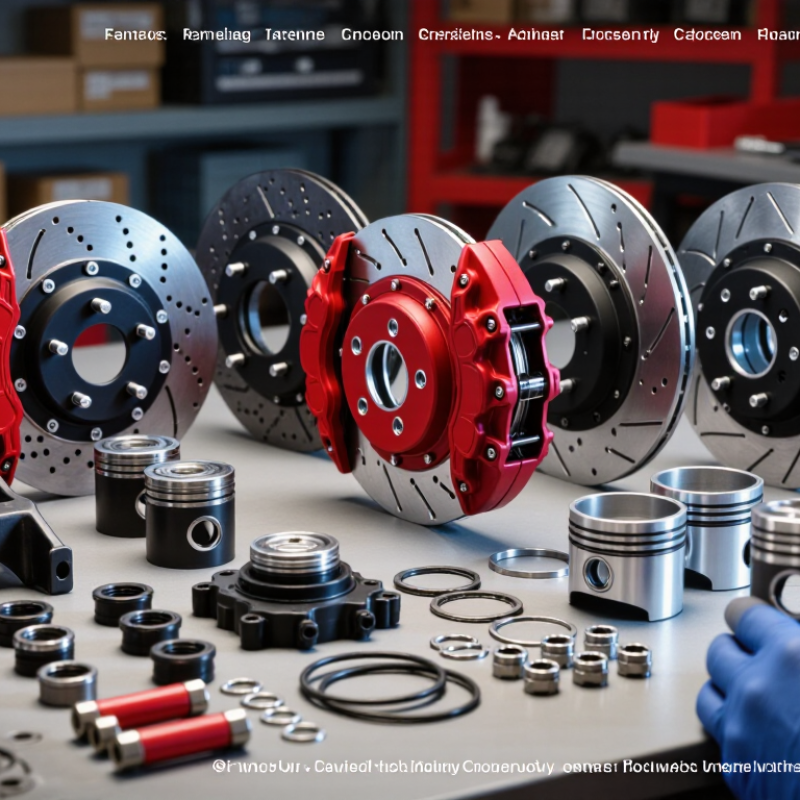
A brake caliper kit usually contains the caliper body, pistons, rubber seals, dust boots, guide pins, and mounting hardware. Some kits also include brake pads, clips, a bleeder screw, or a support bracket. Buyers should check the vehicle’s model year, axle position, piston size, and mounting pattern before ordering. A similar-looking caliper may still fit incorrectly.

The system works through hydraulic pressure. When the driver presses the brake pedal, fluid travels through the brake line and pushes the caliper piston outward. The piston presses the inner pad against the rotor.

A floating caliper then slides on guide pins, pulling the outer pad into contact. A fixed caliper uses pistons on both sides. Friction slows the rotor and converts movement into heat.

During workshop inspections, uneven pad wear often points to seized guide pins, damaged seals, or a sticking piston. I have also seen new kits installed without cleaning the mounting surface. That small mistake can create vibration. Not every kit includes every part, so the package list needs careful reading. Brake fluid contamination is another overlooked risk. Even experienced technicians can miss it. After installation, the piston should move smoothly, the bleeder screw should remain accessible, and the brake pedal should feel firm after proper bleeding. A short road test at low speed can reveal pulling, noise, or delayed release.

How to Match a Caliper Kit With Your Vehicle

2026 Best Brake Caliper Kit for Global Buyers?

How to Match a Caliper Kit With Your Vehicle

Matching a brake caliper kit begins with the exact vehicle specification, not its appearance. Check the model year, engine, drivetrain, and axle position. A front kit may not fit the rear assembly, even when both calipers look similar. Use the vehicle identification number and compare the original caliper’s mounting points, piston count, rotor diameter, thickness, and offset. Small differences can create serious alignment problems.

Measure carefully.

The kit must clear the wheel, rotor, suspension, and steering components. Confirm whether the package includes brackets, pads, pins, seals, and brake lines. Some kits require different wheels because larger calipers reduce spoke clearance. Check the required brake fluid type and whether the vehicle uses electronic parking brakes or integrated sensors. Experienced installers also inspect the rotor surface and hose condition before fitting new parts. A new caliper cannot correct a warped rotor.

Compatibility data deserves more trust than attractive photographs. Ask the supplier for technical drawings, tested applications, material specifications, and installation instructions. Verify local safety requirements and professional certification where applicable. I have seen buyers match parts by engine size alone, which is an unreliable shortcut. Even catalogues can contain errors. Recheck measurements against the vehicle before ordering, and have a qualified technician inspect brake balance, leaks, pedal feel, and wheel clearance after installation. A quiet test drive is useful, but it does not replace a proper inspection.

2026 Best Brake Caliper Kit for Global Buyers? - How to Match a Caliper Kit With Your Vehicle

Vehicle / Driving Profile Recommended Caliper Type Typical Piston Layout Compatible Rotor Diameter Range* Common Rotor Thickness Range* Key Fitment Measurements Best Use Important Verification
Compact passenger car
Small to medium engine, daily commuting
Single-piston floating caliper 1 piston per caliper 240–300 mm 10–24 mm Mounting bolt spacing, rotor offset, pad shape, piston diameter, hose thread Low cost, simple service, balanced street braking Confirm ABS compatibility and whether the caliper is for the front or rear axle
Family sedan or crossover
Higher curb weight and mixed city/highway use
Single-piston floating or compact two-piston fixed caliper 1 floating piston or 2 opposed pistons 280–340 mm 22–30 mm Wheel clearance, caliper bridge position, rotor centerline, pad abutment points Daily driving with greater heat capacity Check the actual gross vehicle weight and factory rotor dimensions, not only vehicle model name
Performance street vehicle
Frequent high-speed braking and spirited driving
Two-piston fixed or four-piston fixed caliper 2 or 4 opposed pistons 320–380 mm 28–36 mm Radial or axial mount pattern, pad height, rotor offset, spoke clearance Improved heat management and pedal consistency Use a wheel-clearance template; larger calipers may not fit behind the original wheels
Light commercial van or pickup
Payload, towing, or frequent heavy loads
Heavy-duty floating or multi-piston fixed caliper 1 large piston or 2–4 pistons 300–380 mm 28–40 mm Axle load rating, rotor thickness, pad surface area, hose routing, wheel load rating Stable braking under payload and repeated stops Do not exceed the vehicle axle, tire, wheel, or brake-system ratings
Off-road SUV or utility vehicle
Dust, water, uneven terrain, and low-speed control
Sealed floating caliper or protected fixed caliper 1–4 pistons depending on axle load 285–355 mm 24–32 mm Dust-boot design, slide-pin protection, hose movement, wheel backspacing Durability and consistent braking in harsh environments Verify corrosion protection, replacement seal availability, and water/mud exposure requirements
Track-focused vehicle
Repeated high-temperature braking
Four-piston or six-piston fixed caliper 4 or 6 opposed pistons 330–410 mm 30–40 mm Heat capacity, pad taper control, rotor direction, brake-bias balance, wheel clearance High-temperature use with suitable racing pads and fluid A larger kit is not automatically better; maintain front-to-rear brake balance and master-cylinder compatibility
Fitment rule: The ranges above are general engineering references, not universal replacement specifications. Before ordering, compare the vehicle identification number, axle position, original caliper part number, rotor diameter and thickness, rotor offset, mounting-hole spacing, pad shape, brake-hose thread, ABS sensor arrangement, and wheel clearance. “Front” and “rear” kits are not interchangeable unless the vehicle manufacturer’s specifications confirm compatibility.
*Measurement note: Rotor ranges are typical category guidelines. Exact compatibility depends on the complete brake assembly, vehicle weight, suspension geometry, wheel design, hydraulic system, and applicable road-safety regulations.

Key Materials, Designs, and Performance Features

2026 Best Brake Caliper Kit for Global Buyers?

Material choice shapes braking confidence. Aluminum calipers reduce unsprung weight and shed heat quickly. Cast iron offers rigidity, durability, and often lower cost. For demanding vehicles, examine piston count, bore size, and seal quality. More pistons do not automatically mean stronger braking. Hydraulic balance still matters.

A well-designed kit includes protected pistons, high-temperature dust boots, and corrosion-resistant hardware. Fixed calipers can deliver firm pedal response when the mounting structure is precise. Floating designs may suit ordinary road use because they remain simpler and easier to service. Look for smooth piston movement, even pad contact, and stable performance after repeated stops. In testing, thermal cycling and leak checks reveal weaknesses that appearance cannot show. Some kits look impressive but provide poor fitment. That is an uncomfortable detail worth checking.

Tips: Confirm vehicle compatibility by axle, year, and brake disc size. Ask for material specifications and test records. Inspect threads and seals before installation. After fitting, bed the pads gradually and monitor pedal feel, vibration, and fluid loss. A professional inspection is wise when measurements seem unclear.

How to Compare Brake Caliper Kits for Global Markets

2026 Best Brake Caliper Kit for Global Buyers?
How to Compare Brake Caliper Kits for Global Markets

The best brake caliper kit depends on vehicle fitment, driving conditions, and service support. Start with the mounting pattern, piston diameter, rotor thickness, and pad shape. A kit that looks compatible may still cause uneven wear or clearance problems. Confirm every measurement against the vehicle’s service data, not only a sales image.

Material choice matters. Aluminum can reduce weight, while coated iron may suit heavy-duty use and rough climates. Check seal quality, dust protection, heat resistance, and brake fluid compatibility. For humid regions, inspect corrosion protection closely. In cold markets, ask how seals perform below freezing. Small details matter.

Test evidence builds trust. Look for documented pressure tests, dimensional inspection, and production traceability. Regional compliance documents may differ, so buyers should verify requirements with qualified local professionals. I have seen buyers focus on piston count and ignore replacement seals. That creates expensive delays. It is an easy mistake. Confirm spare-part availability, packaging strength, warranty terms, and technical instructions before ordering. Delivery is not success if installation support is missing. Compare total ownership cost, not only the initial price. A cheaper kit may need special tools, extra adapters, or frequent maintenance. Some product data can also be incomplete, so request written clarification before payment.

Installation, Maintenance, Safety, and Buyer Considerations

2026 Best Brake Caliper Kit for Global Buyers?

Installation, Maintenance, Safety, and Buyer Considerations

A suitable brake caliper kit begins with exact vehicle identification. Check the model year, engine size, axle position, rotor diameter, and mounting pattern. Small differences can make a correct-looking caliper unsafe. I recommend comparing the supplied dimensions with the original part before removing anything. Measure twice.

During installation, support the vehicle on approved stands, not only a jack. Clean the mounting surfaces and use the specified tightening torque from a trusted service manual. Replace damaged seals, copper washers, and flexible hoses when necessary. After fitting the calipers, bleed the system until the fluid flows clear and bubble-free. Keep brake fluid away from painted surfaces. It damages them quickly. An experienced technician should inspect the pedal feel and check for leaks before road testing.

Maintenance requires regular visual checks. Look for uneven pad wear, cracked boots, fluid stains, corrosion, or a sticking piston. Brake dust can hide problems, especially on vehicles used in wet or salty regions. Replace fluid according to the vehicle maker’s schedule, not a convenient guess. Bedding-in procedures should follow the kit instructions, using several controlled stops without overheating the brakes. I still recheck wheel torque after the first short drive; rushing this step is an avoidable mistake.

Global buyers should confirm certification requirements, return conditions, spare-parts availability, and shipping protection. A low price means little if seals are unavailable locally. Packaging should protect machined surfaces from moisture and impact. Product photos are not enough. Ask for technical drawings, material details, warranty terms, and compatibility evidence before ordering.

2026 Best Brake Caliper Kit for Global Buyers

Brake fluid compatibility is a key safety consideration when selecting and installing a brake caliper kit. The chart compares the minimum dry and wet boiling points specified for common international DOT brake-fluid classifications under FMVSS 116.

Higher boiling points can provide greater resistance to vapor formation during heavy braking, but the replacement fluid must match the vehicle manufacturer’s specification. During installation, inspect hoses, seals, slider pins, and brake discs; torque fasteners to the vehicle service-manual specification; bleed the hydraulic system; check for leaks; and perform a controlled low-speed brake test before normal driving.

FAQS

What does a brake caliper kit usually include?

It usually includes the caliper body, pistons, seals, dust boots, guide pins, and mounting hardware. Some kits include pads, clips, or brackets. Check the package list carefully.

How does a brake caliper slow a vehicle?

Pressing the pedal sends fluid pressure through the brake line. The pressure pushes the piston outward. The pads squeeze the rotor and create friction. Motion becomes heat.

How can buyers confirm the correct caliper fit?

Check the model year, engine size, axle position, piston diameter, rotor thickness, and mounting pattern. Compare measurements with service data. A similar shape proves little.

What should buyers compare between different kits?

Compare materials, seal quality, dust protection, heat resistance, and fluid compatibility. Also check testing records, spare parts, warranty terms, and packaging strength. The lowest price can mislead.

Why are mounting surfaces important during installation?

Dirt or corrosion can prevent proper seating. This may cause vibration or uneven pad wear. Clean the surfaces carefully. I have seen new kits installed over dirty mounts.

What safety steps are needed during installation?

Support the vehicle on approved stands, not only a jack. Use the specified tightening torque. Replace damaged seals, washers, or hoses when necessary. Never rush this work.

How should the brake system be checked after installation?

Bleed the system until fluid flows clear and bubble-free. Check for leaks and firm pedal feel. The piston should move smoothly. The bleeder screw must remain accessible.

What warning signs suggest a caliper problem?

Watch for uneven pad wear, pulling, noise, delayed release, cracked boots, corrosion, or fluid stains. A sticking piston may be involved. Brake dust can hide trouble.

How should buyers prepare for global use?

Confirm local certification requirements, return conditions, technical drawings, and compatibility evidence. Check cold-weather seals and corrosion protection for humid regions. Ask about local spare parts.

What mistakes should buyers and technicians reconsider?

Do not trust product photos alone. Do not ignore replacement seals or written measurements. I once underestimated packaging damage. That was avoidable. Total ownership cost matters more than price.

Conclusion

Choosing the right Brake Caliper Kit in 2026 requires more than comparing price or appearance. A complete kit may include calipers, brackets, pads, seals, mounting hardware, and other components designed to work together. Buyers should confirm vehicle compatibility, including model, year, engine specifications, axle position, rotor dimensions, and intended driving conditions. Understanding caliper materials, piston design, heat resistance, corrosion protection, and pad compatibility can help balance braking power, durability, comfort, and maintenance needs.

For global buyers, comparison should also consider manufacturing consistency, documentation, warranty terms, shipping conditions, replacement-part availability, and compliance with applicable safety requirements. Installation should follow the vehicle manufacturer’s procedures and be performed by a qualified technician when necessary. After installation, the braking system should be inspected, properly bedded in, and checked regularly for leaks, uneven wear, noise, or reduced performance. A carefully selected and correctly maintained Brake Caliper Kit can support dependable braking performance across varied roads, climates, and vehicle-use conditions.


Mason

Mason

Mason is a seasoned marketing professional with a deep expertise in the company's offerings and a passion for driving brand awareness. With a strong background in digital marketing strategies, he has an innate ability to connect with diverse audiences and effectively communicate product benefits.......